US Imposes Tariffs on 60 Trading Partners Over Forced Labor Concerns
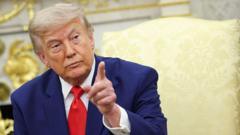
The United States has announced the imposition of tariffs ranging from 10% to 12.5% on 60 of its trading partners. This measure, effective Friday, July 24, stems from the assertion that these countries have failed to effectively prohibit the import of products made with forced labor. The affected economies include major players such as the European Union, Japan, Taiwan, and China. The tariffs aim to pressure these nations into strengthening their enforcement against goods produced under coercive labor conditions. This action represents a significant move by the U.S. to address global supply chain issues related to human rights. The specific list of 60 trading partners encompasses a broad spectrum of global economies, highlighting the widespread nature of the U.S. concerns. The administration believes this tariff policy will incentivize better compliance and ultimately contribute to a fairer international trade environment.
The U.S. tariff imposition on 60 trading partners, citing concerns over forced labor, signals a strategic recalibration of global trade dynamics. By leveraging trade policy as a tool for enforcing human rights standards, the U.S. is attempting to reshape international supply chains. This approach could incentivize greater transparency and accountability from trading nations, potentially reducing the prevalence of unethical labor practices. However, it also introduces complexities and potential retaliatory measures, impacting global economic stability and potentially disrupting established trade relationships. The long-term efficacy will depend on the consistent application of these policies and the willingness of affected nations to adapt their regulatory frameworks in response to these evolving international expectations concerning labor ethics.
AI-generated to prompt reflection — not editorial opinion, not advice, not a statement of fact. How this works.