US Imposes Tariffs on Nearly 3,000 Brazilian Products
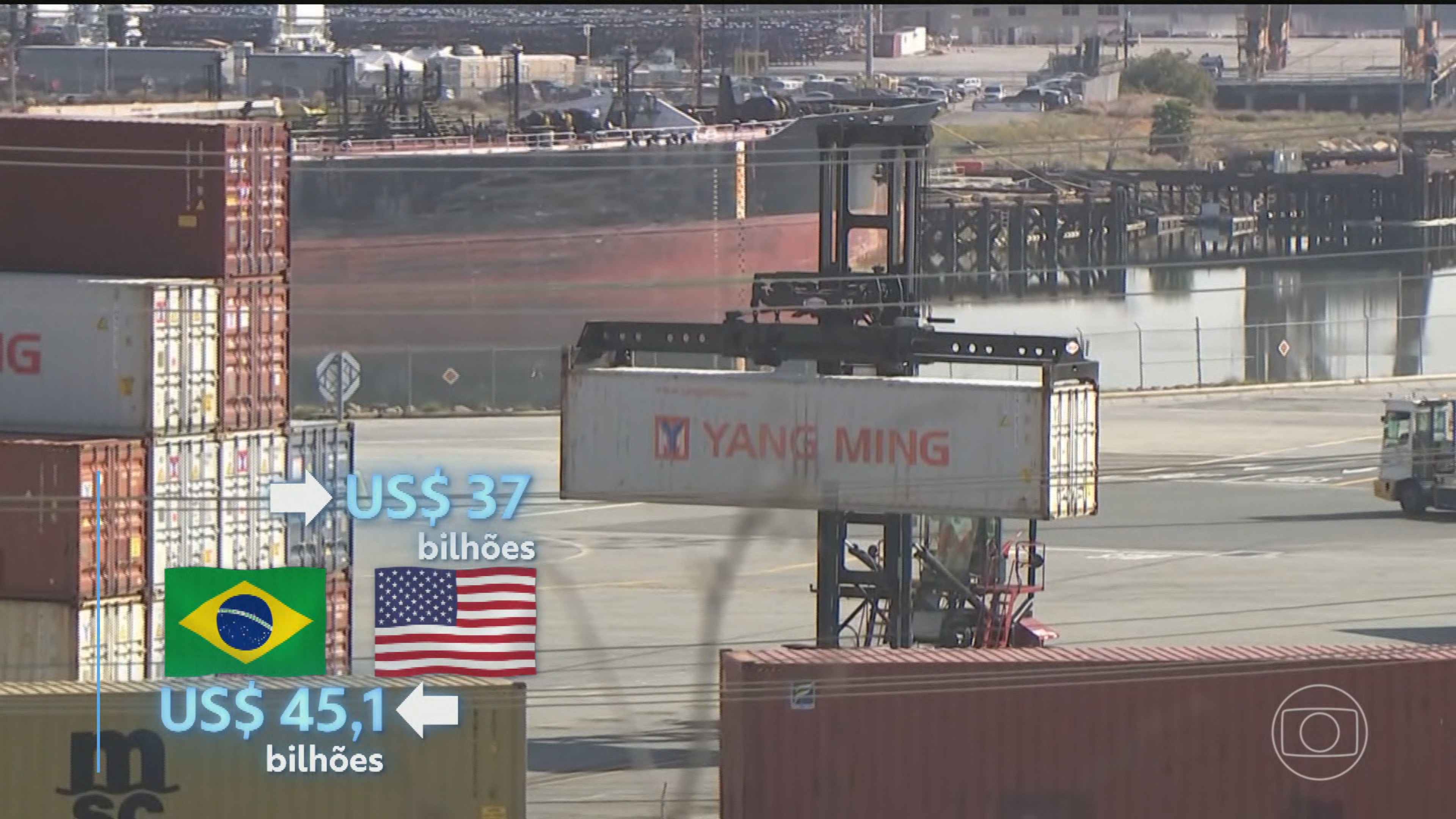
The U.S. government has announced it will impose tariffs on nearly 3,000 Brazilian products entering the United States, a move stemming from an investigation into trade practices deemed unfair by the Trump administration. These new tariffs, set to take effect on July 22, will amount to a 25% surcharge on a wide range of goods, including ethanol, agricultural machinery, sugar, paper, chemicals, manufactured goods, footwear, and apparel. However, over 2,000 items, notably Brazil's top ten exports to the U.S. such as coffee, beef, and orange juice, which constitute nearly half of Brazil's export value to the U.S., will be exempt. Gasoline, civilian aircraft, aviation components, medicines, and pharmaceutical inputs are also excluded, as they are not sufficiently supplied within the U.S. and could cause shortages or significant economic impact. Products like steel and aluminum, already subject to a 50% tariff since June 2025, will retain their existing rates. The U.S. cited Brazil's digital trade and payment services (including PIX), preferential tariffs for other developing nations, ethanol market access, intellectual property protection, anti-corruption efforts, and illegal deforestation as key areas of concern. The U.S. Trade Representative's office stated that Brazil's policies have harmed U.S. trade for decades, pointing to illegal logging practices in the Amazon and alleged censorship of U.S. tech companies. Brazil's trade deficit with the U.S. in 2025 was $7.5 billion, with U.S. sales exceeding purchases by 20%. Brazilian officials have rejected the U.S. claims, with the Foreign Minister calling the tariffs unjustified and politically motivated, and a Secretary of State stating the decision was not made in good faith.
The U.S. imposition of tariffs on Brazilian goods reflects a strategic utilization of trade policy, potentially aimed at recalibrating bilateral economic relationships and addressing perceived market access barriers. The selection of exempted goods suggests a pragmatic approach, prioritizing essential U.S. supply chains and consumer goods while targeting sectors where domestic production or competitive advantage is less threatened. The stated justifications, ranging from digital trade practices to environmental concerns, highlight the increasing integration of non-traditional trade issues into international commerce negotiations. This action may signal a broader trend of developed economies employing punitive trade measures to enforce specific domestic or international policy objectives, prompting a re-evaluation of global supply chain resilience and regulatory alignment for Brazilian exporters and potentially impacting future trade agreements.
AI-generated to prompt reflection — not editorial opinion, not advice, not a statement of fact. How this works.