US Imposes Tariffs on Various Brazilian Imports
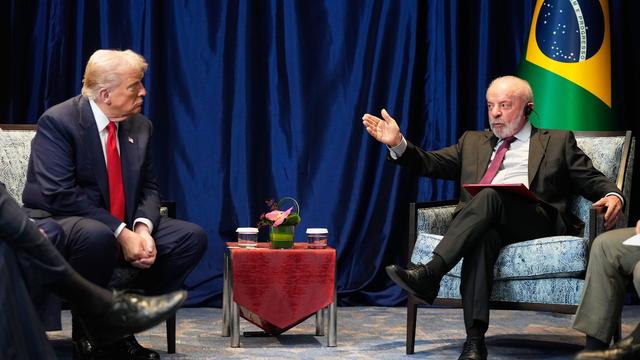
The United States has announced the imposition of tariffs on a range of imported goods originating from Brazil. This move is part of the broader trade policy initiated by the Trump administration. The specific details regarding the types of products affected and the exact tariff rates have not yet been fully disclosed. However, the announcement signals a significant shift in trade relations between the two nations. The tariffs are expected to impact Brazilian exporters and potentially increase costs for American consumers. This action follows previous tariff implementations by the US on goods from other countries. The Brazilian government has yet to issue a formal statement or outline its response to these new US tariffs. The long-term economic consequences for both countries remain to be seen.
The US administration's decision to implement tariffs on Brazilian imports reflects a protectionist trade strategy aimed at reshaping international trade balances. This policy approach, driven by a desire to favor domestic industries and potentially address perceived trade deficits, introduces significant uncertainty into global supply chains. The imposition of tariffs can lead to retaliatory measures from affected countries, escalating trade tensions and potentially disrupting established economic partnerships. From a systemic perspective, such policies challenge the principles of free trade and multilateral cooperation, potentially leading to a less integrated and more fragmented global economy over the next decade. The long-term efficacy of tariffs as a tool for economic gain is often debated, with potential downsides including increased consumer prices and reduced economic efficiency.
AI-generated to prompt reflection — not editorial opinion, not advice, not a statement of fact. How this works.