US Imposes Temporary Tariffs After Supreme Court Ruling
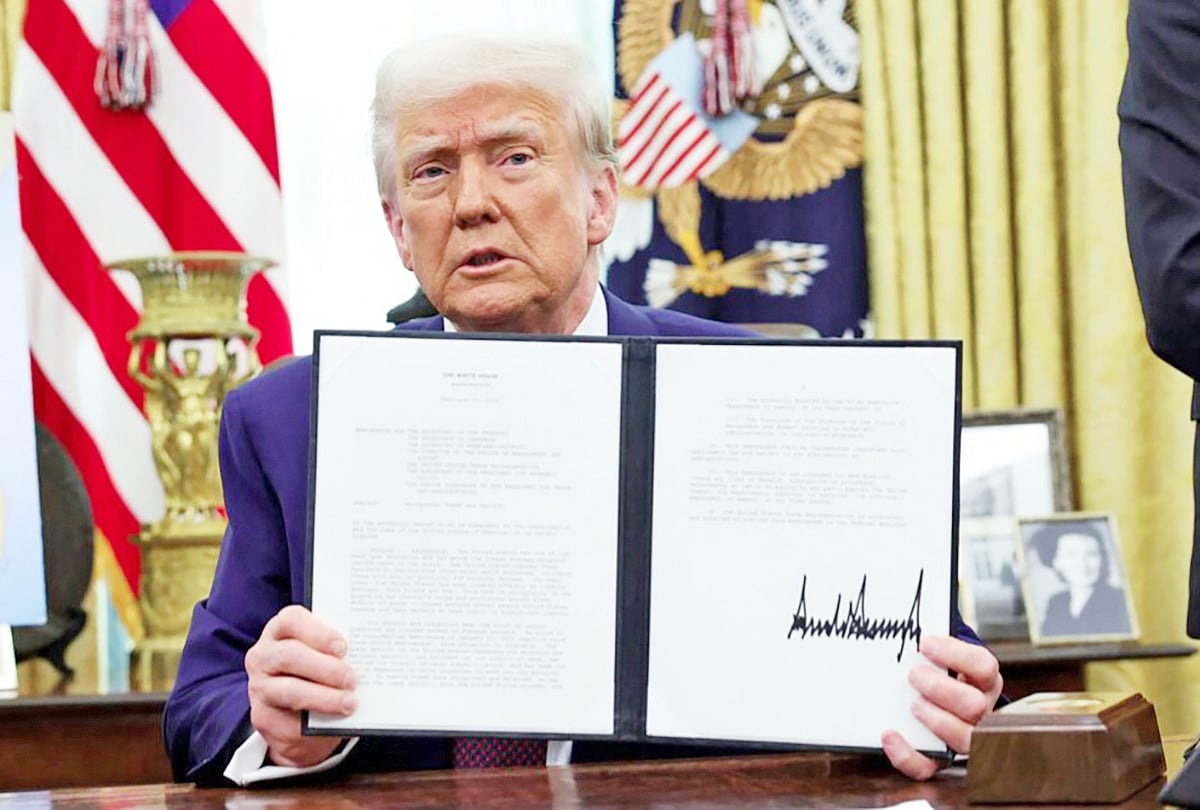
Following a decision by the United States Supreme Court to invalidate previous tariffs, the administration has implemented new temporary tariffs. These new measures are set to remain in place for a period of 150 days. The Supreme Court's ruling prompted the government to take this interim action. The specifics of the previous tariffs that were overturned by the court were not detailed in the original report. This temporary tariff imposition suggests a strategic pause while the administration likely reevaluates its trade policies. The duration of 150 days indicates a short-to-medium term approach to managing trade relations under the new legal framework. Further details on the types of goods affected and the rationale behind the temporary tariffs are anticipated.
The US administration's decision to impose temporary tariffs after a Supreme Court ruling highlights the dynamic interplay between judicial review and executive trade policy. This action suggests a need for the administration to recalibrate its tariff strategy within the bounds of legal precedent. The 150-day period indicates a calculated interval for policy adjustment, potentially allowing for new legislative proposals or revised executive orders. This approach allows the administration to maintain a degree of trade control while addressing the court's concerns, reflecting a common governance strategy of adapting to legal constraints. The long-term implications will depend on the administration's ability to formulate a sustainable and legally sound trade policy that balances national economic interests with international trade obligations.
AI-generated to prompt reflection — not editorial opinion, not advice, not a statement of fact. How this works.