US Imposes Visa Bond Requirement on Five Pacific Nations
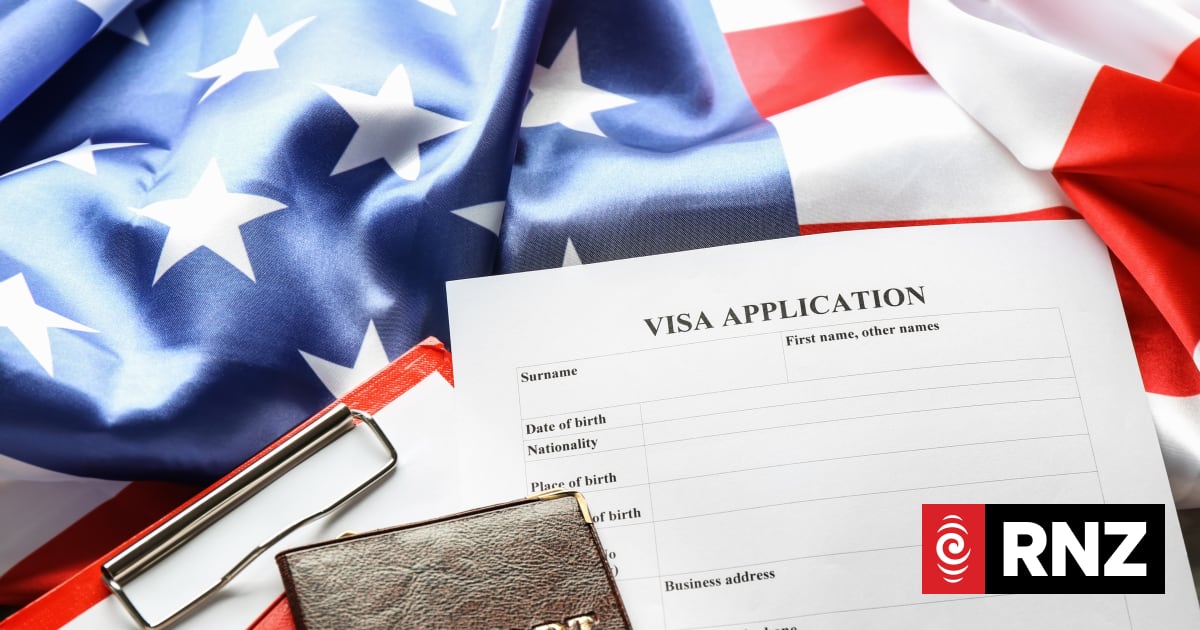
The United States has implemented a visa bond requirement for five Pacific nations as part of a broader program initiated by the Trump administration. This measure, which began in late August of the previous year, is aimed at curbing illegal visa overstays within America. The program currently encompasses approximately 50 countries globally. The specific five Pacific nations affected by this new policy have not been explicitly named in the provided text, but the measure signifies a stricter approach to visa compliance for citizens of these countries seeking entry into the U.S. The bond requirement is intended to serve as a financial deterrent against individuals who might overstay their authorized period of stay in the United States. This policy is part of a larger effort to manage immigration and enforce visa regulations more stringently.
The U.S. visa bond program reflects a policy prioritizing border control and immigration enforcement through financial disincentives. By requiring bonds from specific nations, the U.S. government aims to mitigate the risk of visa overstays, potentially impacting diplomatic relations and economic exchanges with these countries. This approach raises questions about the balance between national security objectives and fostering international cooperation. The long-term effectiveness of such measures in addressing complex migration patterns, versus their potential to create economic burdens or perceived inequities, warrants consideration. Future policy may explore more comprehensive solutions that address root causes of migration and streamline legal immigration pathways.
AI-generated to prompt reflection — not editorial opinion, not advice, not a statement of fact. How this works.