US Independence Anniversary Marred by Foreign Policy and Domestic Divisions
America's 250th independence anniversary on Saturday was overshadowed by international events, particularly the funeral of Ayatollah Ali Khamenei in Iran, highlighting the impact of US foreign policy choices. The article argues that despite its wealth and influence, the US often exhibits imperial arrogance, using military power to intimidate sovereign nations. A significant shift in foreign policy, deemed unlikely under President Donald Trump, is needed for the US to improve its global standing.
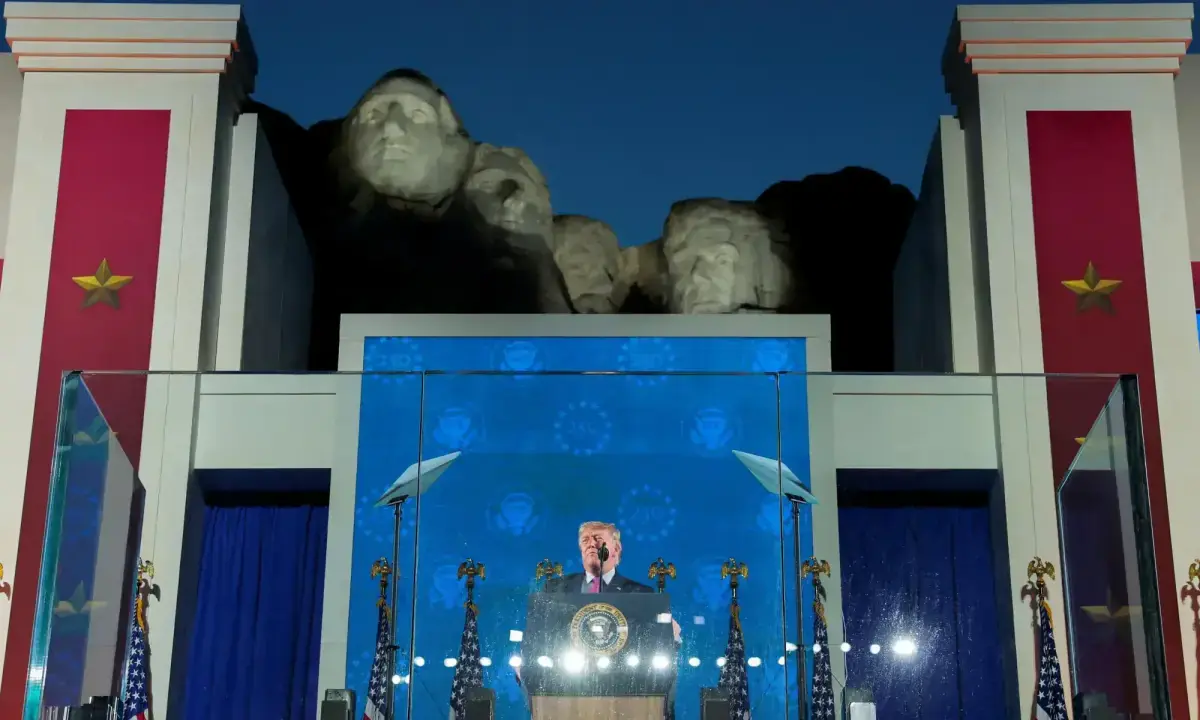
Domestically, the US has evolved significantly since its 18th-century origins, overcoming historical injustices like the dispossession of Native Americans and slavery. The nation has achieved advancements in education and technology, fostering a relatively equal society. However, these gains are now threatened by the resurgence of the far right and anti-immigrant sentiment, exemplified by President Trump's rhetoric at Mt Rushmore, which criticized communism and demonized immigrants, seemingly echoing Cold War-era sentiments.
Internationally, the US has a history of interventions in countries across Latin America and Asia, with the recent situation in Iran cited as a contemporary example of 'gunboat diplomacy.' The article suggests that even Democratic predecessors have supported authoritarian leaders to counter communism and Islamism. To alter its negative international reputation, the US must abandon its sense of exceptionalism, act as a responsible global citizen respecting state sovereignty, and prioritize internal healing and socioeconomic issues over perceived global 'saving.'
The article critiques the United States' historical and contemporary foreign policy, contrasting its global actions with its domestic ideals and challenges. It suggests that a perceived 'imperial arrogance' and interventionist approach have overshadowed the nation's positive contributions, leading to a negative international reputation. Domestically, the piece highlights a tension between the nation's founding principles and its current struggles with rising far-right ideologies and anti-immigrant sentiment, which threaten past societal progress. The analysis points to a systemic challenge in reconciling American exceptionalism with the responsibilities of global citizenship and the need for internal reform to address socioeconomic issues. Moving forward, the US faces a complex dynamic where its global influence is increasingly scrutinized, and its domestic trajectory may impact its international standing and its ability to foster inclusive societal progress.
AI-generated to prompt reflection — not editorial opinion, not advice, not a statement of fact. How this works.