US Independence Day: Contested Memory and Political Power
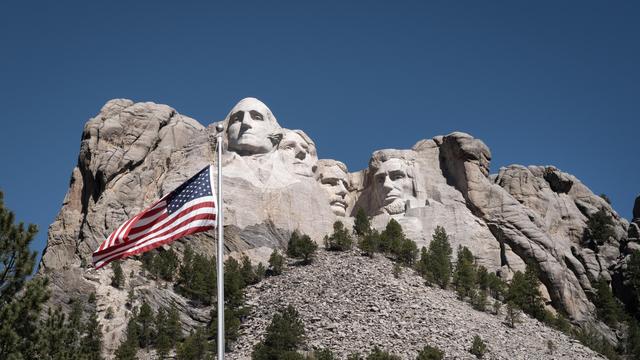
The United States commemorates its Independence Day with parades and patriotic displays. However, the upcoming anniversary in 2026 is transforming historical memory into a significant political issue. Critical perspectives are finding it increasingly difficult to gain traction amidst this evolving landscape. The celebration, while outwardly unified, is becoming a battleground for competing narratives about the nation's past and its foundational ideals. This shift suggests a growing tension between traditional commemorations and contemporary interpretations of American history. The political implications of how this history is remembered and presented are becoming paramount. As 2026 approaches, the way the nation grapples with its past will likely reflect broader societal debates and divisions. The struggle for control over historical memory highlights its potent role in shaping national identity and political discourse.
The commemoration of national holidays like US Independence Day is increasingly becoming a focal point for societal and political contestation. As the 2026 anniversary approaches, the framing of historical memory is evolving from a shared cultural practice into a strategic political tool. This dynamic highlights how historical narratives can be leveraged to influence public opinion and political agendas. The difficulty for critical voices to be heard suggests a potential imbalance in discourse, where dominant narratives may overshadow dissenting perspectives. Understanding these shifts is crucial for appreciating how national identity is constructed and contested in the contemporary era, particularly as societies grapple with complex historical legacies and their implications for the future.
AI-generated to prompt reflection — not editorial opinion, not advice, not a statement of fact. How this works.