US Independence Ideals: Hypocrisy and Inspiration
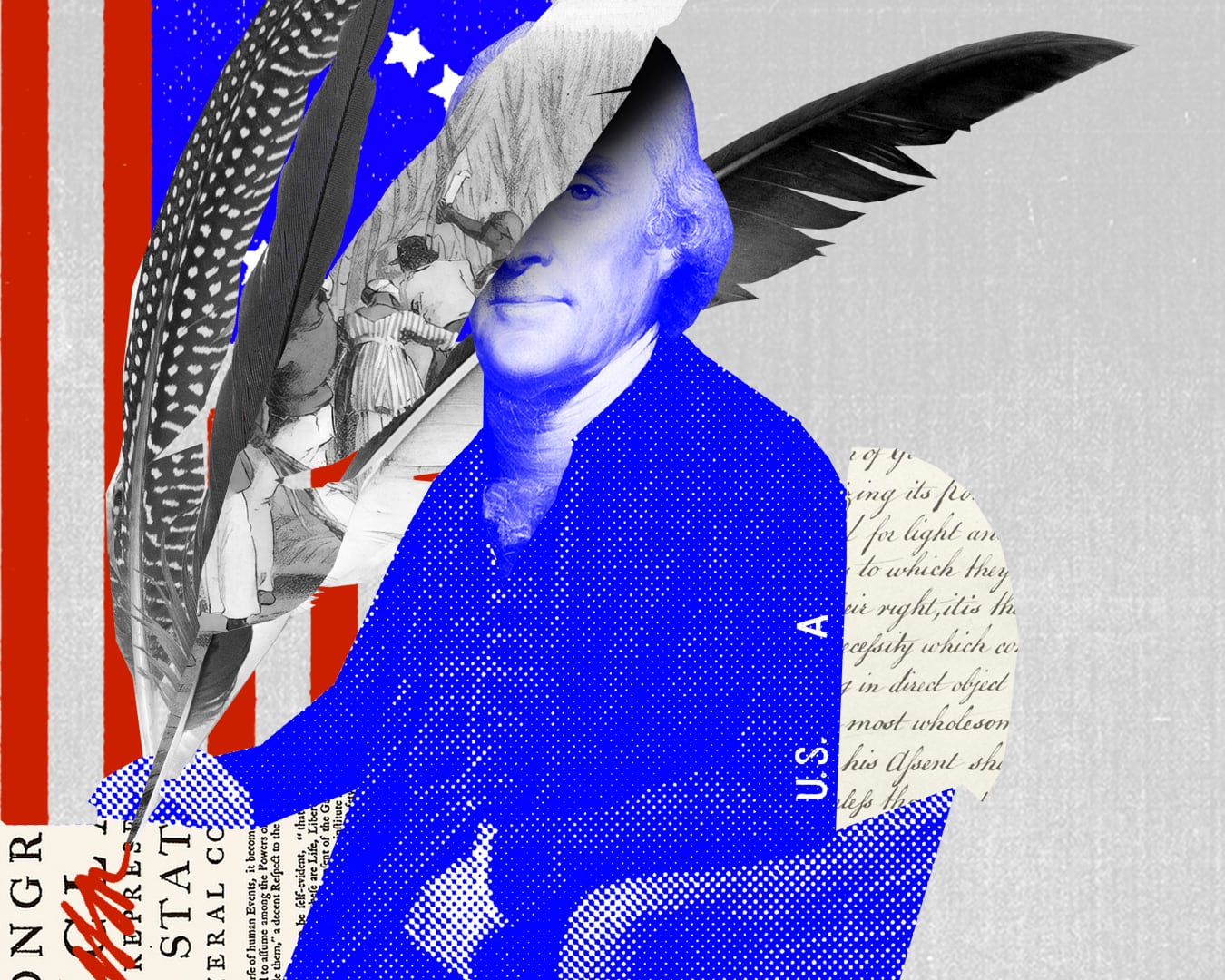
The ideals of U.S. independence were hypocritical from their inception, yet they have profoundly inspired millions of people globally and continue to do so today. This duality highlights a persistent tension between the stated principles of American democracy and its historical realities. The nation's founding documents espoused liberty and equality, but these concepts were not extended to all inhabitants at the time, notably enslaved people and indigenous populations. Despite these foundational contradictions, the aspirational nature of these ideals has resonated across diverse cultures and movements seeking self-determination and human rights. The enduring influence suggests that the power of the ideas themselves has transcended the imperfections of their initial application. This legacy continues to shape global perceptions of freedom and governance, prompting ongoing reflection on the gap between American ideals and practice.
The historical narrative of U.S. independence presents a complex interplay between foundational ideals and exclusionary practices. While the rhetoric of liberty and self-governance has served as a potent global inspiration, its application has been historically uneven, creating a persistent tension. Examining this duality through a systems lens reveals how abstract principles can be both a powerful motivator for change and a source of ongoing societal critique when confronted with systemic inequalities. The enduring appeal of these ideals, despite their imperfect realization, suggests a universal human aspiration for freedom that transcends specific national contexts. Future developments may involve continued efforts to reconcile stated values with equitable outcomes, driven by evolving societal expectations and a growing awareness of historical legacies.
AI-generated to prompt reflection — not editorial opinion, not advice, not a statement of fact. How this works.