US Indo-Pacific Command Drops 'India' from Name: Will Japan Adapt to US Strategic Shifts?
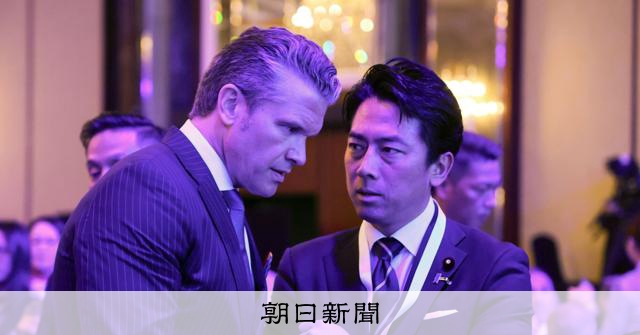
The United States Indo-Pacific Command (USINDOPACOM) has removed the word "India" from its official name, a subtle yet significant change reflecting evolving geopolitical priorities. This rebranding signals a potential shift in how the US views its strategic engagement in the region. The command, responsible for overseeing US military operations across the vast Indo-Pacific theater, has historically included "India" to acknowledge the country's growing importance and its role as a key partner in balancing regional power dynamics. The omission raises questions about the future emphasis of US foreign policy and military strategy in Asia. It prompts consideration of how allied nations, particularly Japan, will interpret and respond to these strategic adjustments. Japan, a crucial US ally, must now assess the implications of this name change for its own security and diplomatic relations within the Indo-Pacific framework. The move could indicate a broader recalibration of US alliances and partnerships, necessitating a reassessment of Japan's engagement with the US and other regional actors. Understanding the rationale behind this change is critical for Japan as it navigates the complex and dynamic geopolitical landscape of the Indo-Pacific.
The renaming of the US Indo-Pacific Command, by omitting "India," may reflect a strategic recalibration aimed at broadening the command's focus beyond a singular bilateral partnership. This adjustment could be driven by the need to address a more complex web of regional security challenges and alliances, potentially emphasizing multilateralism or a more fluid approach to partnerships. For Japan, this presents an opportunity to reassess its own strategic posture, considering whether to deepen existing alliances or explore new avenues for regional cooperation. The change prompts a forward-looking perspective on how US strategic priorities may evolve in the coming decade, particularly in response to technological advancements and shifting global power dynamics. It encourages an analysis of the command's operational flexibility and its capacity to adapt to emergent threats and opportunities in the Indo-Pacific.
AI-generated to prompt reflection — not editorial opinion, not advice, not a statement of fact. How this works.