US Inflation Drops Sharply in June, Prompting Policy Questions for the Fed
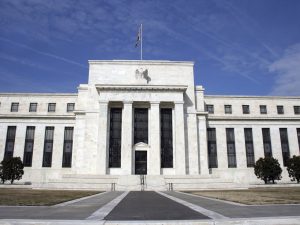
Inflation in the United States slowed significantly more than analysts anticipated in June, largely due to a sharp decline in energy prices. This latest data has brought some relief to financial markets, but the Federal Reserve remains cautious. A potential escalation of the conflict in the Middle East could reignite energy price increases and impact inflation. The unexpected drop in inflation raises questions about the future direction of the Federal Reserve's monetary policy. While lower inflation is generally a positive sign for the economy, policymakers will be closely watching for sustained trends. The central bank has been focused on bringing inflation down to its target rate. The current data suggests progress, but the Fed will likely want to see more evidence before altering its approach. Future policy decisions will depend on a variety of factors, including global energy markets and geopolitical developments.
The recent sharp deceleration in US inflation, driven by falling energy costs, presents a complex scenario for the Federal Reserve. While this trend offers a welcome respite from inflationary pressures, the Fed's mandate requires sustained progress towards its target. The potential for geopolitical events, particularly in the Middle East, to disrupt energy markets introduces a significant layer of uncertainty. This highlights the inherent tension between managing domestic price stability and navigating global economic volatility. Policymakers face the challenge of discerning whether this inflation drop is a temporary anomaly or the beginning of a sustained disinflationary trend, a critical distinction for determining the appropriate stance of monetary policy over the next decade.
AI-generated to prompt reflection — not editorial opinion, not advice, not a statement of fact. How this works.