US Inflation Eases More Than Expected in June Driven by Lower Gas Prices
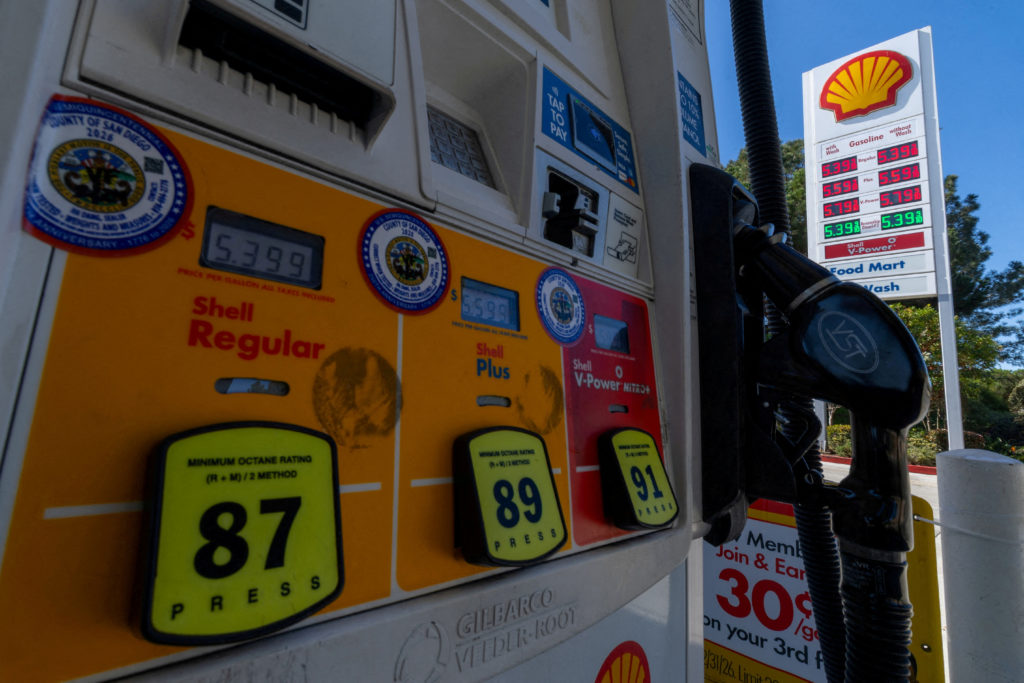
Inflation in the United States cooled more than anticipated in June, primarily due to a decrease in gasoline costs. The latest report suggests that underlying price pressures also moderated during the month. This development is significant as it may lessen the urgency for the Federal Reserve (Fed) to implement further increases to its key short-term interest rate. The Fed has been actively working to bring inflation down to its target level, and this cooling trend could influence its upcoming monetary policy decisions. Analysts will be closely watching future economic indicators to determine the persistence of this disinflationary trend. The report's findings offer a potentially positive sign for consumers and the broader economy, indicating a possible easing of the cost of living pressures that have been prevalent.
The June inflation report indicates a potential shift in price dynamics, with falling energy costs contributing to a broader moderation of price increases. This development could alleviate pressure on the Federal Reserve, potentially altering the trajectory of its interest rate policy. The market will now focus on whether this trend is sustainable and how it aligns with the Fed's dual mandate of price stability and maximum employment. Future policy decisions will likely hinge on the persistence of these disinflationary signals against the backdrop of ongoing economic uncertainties and labor market conditions.
AI-generated to prompt reflection — not editorial opinion, not advice, not a statement of fact. How this works.