US Intervention Supported Yen Amidst Near 40-Year Lows
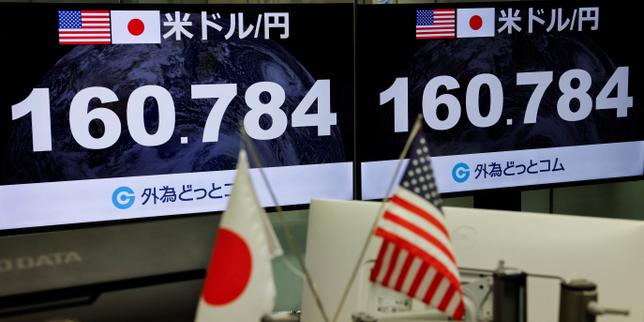
The Federal Reserve Bank of New York executed an unprecedented sale of euros to acquire Japanese yen. This intervention aimed to support the yen, which had reached its lowest levels in nearly forty years during July. Former US President Donald Trump stated that the United States intervened to support the yen, characterizing the action as a gesture of "friendship" towards Japan. The Japanese currency had been experiencing a significant decline, prompting this coordinated market action. The specific details of the euro sale and yen purchase by the New York Fed highlight a significant, albeit rare, instance of direct currency market intervention by a major central bank. This move underscores the interconnectedness of global financial markets and the potential impact of central bank actions on currency valuations.
The US intervention to support the yen, framed as an act of friendship, highlights the complex interplay between national economic interests and international financial stability. While presented as a benevolent act, such interventions can be viewed through the lens of geopolitical strategy and the management of global currency dynamics. The Federal Reserve's action, involving a substantial euro sale for yen acquisition, suggests a strategic decision to prevent further yen depreciation, potentially impacting trade balances and global capital flows. This event prompts consideration of the future role of central banks in actively managing currency values, especially in an era of increasing economic uncertainty and potential trade disputes. The long-term implications for currency markets and international economic cooperation warrant careful observation.
AI-generated to prompt reflection — not editorial opinion, not advice, not a statement of fact. How this works.