US Investigates 75 Schools for Alleged Fraud in Migrant Trucker Licenses
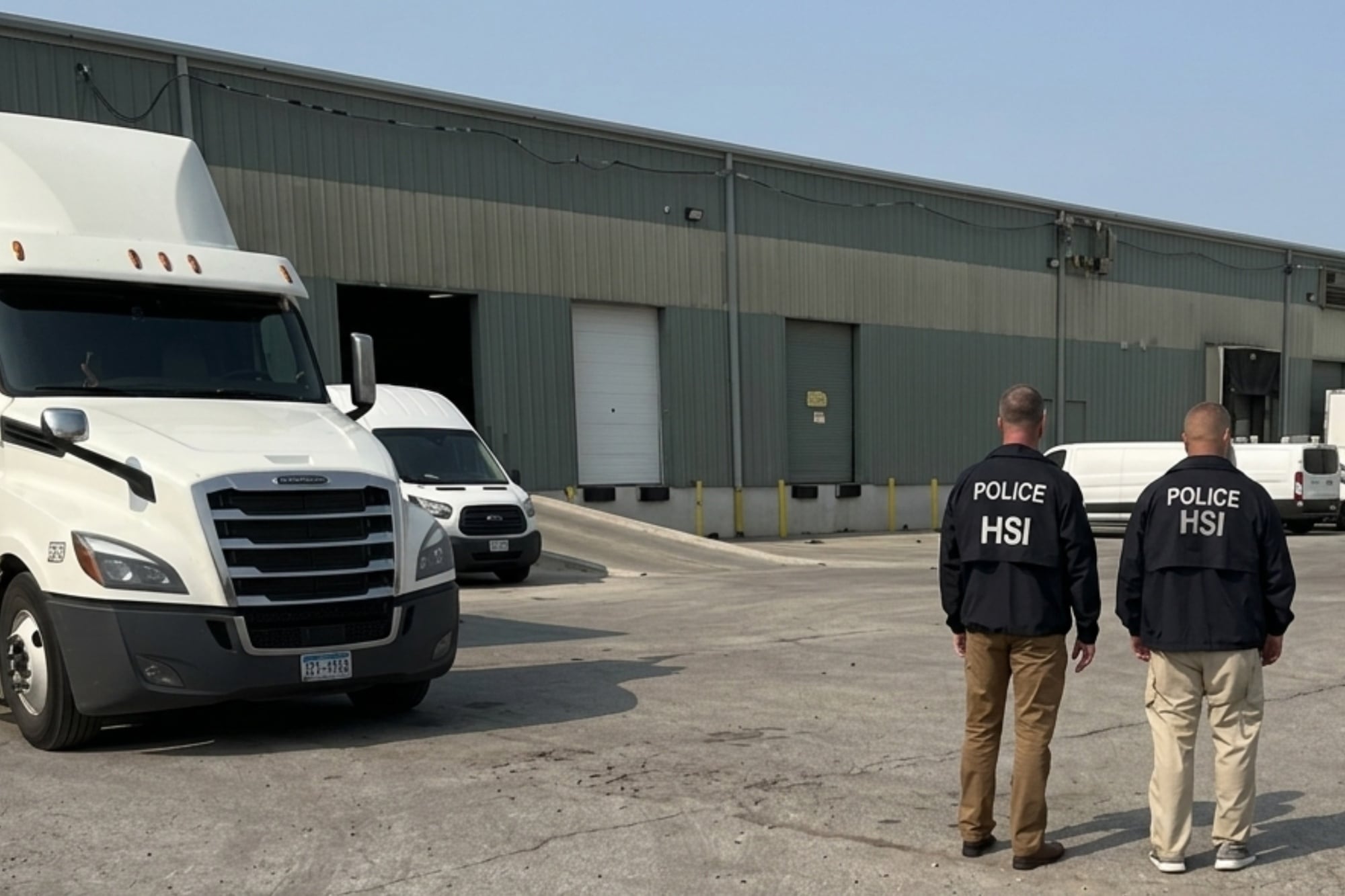
The United States is currently investigating 75 driving schools suspected of engaging in fraudulent practices related to Commercial Driver's Licenses (CDL). These schools are accused of potentially exploiting migrant workers by providing them with fraudulent licenses. The investigation aims to uncover the extent of this alleged fraud and its impact on the trucking industry and the individuals involved. Authorities are scrutinizing the training and licensing processes at these centers to ensure compliance with federal regulations. The CDL is essential for operating large commercial vehicles, and its integrity is crucial for road safety. The probe could lead to significant consequences for the implicated schools, including potential closure and legal penalties. It also raises questions about the oversight of training programs for aspiring truckers, particularly those from vulnerable populations. The outcome of the investigation will determine the future of these 75 schools and may prompt a review of current licensing procedures nationwide. The focus is on ensuring that all drivers, regardless of their background, meet the required safety standards.
This investigation into alleged fraud in CDL licensing for migrant truckers highlights potential systemic vulnerabilities in the training and certification process. The incentive structure for schools may have been misaligned, prioritizing enrollment and fees over rigorous training and compliance, especially when dealing with a population potentially facing language barriers or economic pressures. This situation could exacerbate existing concerns about driver shortages and safety standards in the trucking industry. Moving forward, enhanced oversight mechanisms and clearer regulatory pathways for migrant workers seeking CDL certification are critical. The long-term implications may involve a re-evaluation of how training programs are accredited and monitored, ensuring both fairness and public safety in an era increasingly reliant on logistics and transportation.
AI-generated to prompt reflection — not editorial opinion, not advice, not a statement of fact. How this works.