US Investigates Potential Russian Assistance to Iran in CIA Facility Attacks
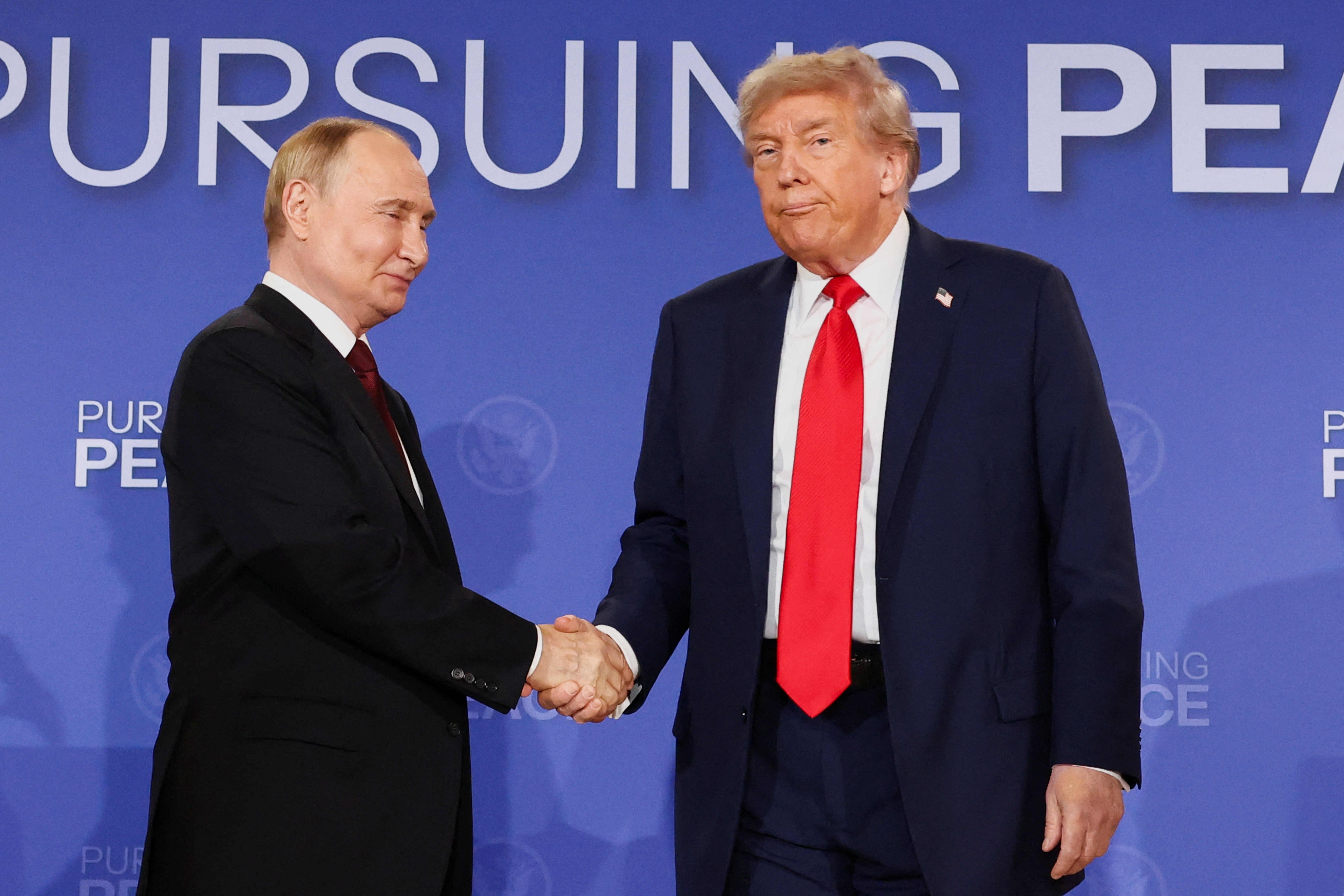
U.S. intelligence analysts are investigating whether Russia provided assistance to Iran in recent drone attacks targeting CIA facilities in the Middle East. The inquiry stems from the effectiveness and precision of these attacks, leading U.S. officials to explore the possibility that Russia supplied targeting information or advanced drone technology. This concern has intensified following recent Iranian drone and missile strikes against U.S. military installations in Jordan, which killed two soldiers. While Russia has previously been reported to offer technical support to Iran for strikes against U.S. targets in the Gulf region, the specific focus on CIA installations marks a new dimension to the investigation. At least two CIA facilities were reportedly hit in March, including a station within the U.S. embassy in Riyadh, Saudi Arabia, and another in eastern Iraq. Some sources indicate additional facilities may have been targeted, though details remain undisclosed. Western officials suggest Russia may have helped Iran enhance its Shahed drone capabilities, potentially supplying the Kometa-M satellite navigation system to improve accuracy. The Kremlin has denied providing such assistance, labeling reports as "fake news." While some analysts believe Russia played a role in selecting targets, others caution that Iran might have been broadly targeting the embassy and coincidentally struck the CIA station. The potential involvement of Russia in these specific attacks suggests a willingness by Moscow to escalate actions against U.S. operations amid ongoing regional tensions.
This situation highlights the complex geopolitical interplay between Russia, Iran, and the United States, particularly concerning the strategic use of advanced drone technology. The investigation into potential Russian assistance to Iran in targeting U.S. intelligence facilities raises questions about the evolving nature of state-sponsored asymmetric warfare and intelligence sharing. From a systems perspective, such collaboration, if proven, could indicate a coordinated effort to challenge U.S. influence in the Middle East, leveraging technological capabilities to create strategic friction. The effectiveness of Iranian drones, potentially augmented by Russian expertise, underscores the growing threat posed by non-state and state-aligned actors employing sophisticated weaponry. Future U.S. policy responses will likely need to consider not only direct military deterrence but also robust counter-intelligence measures and diplomatic strategies to address the systemic implications of this evolving alliance.
AI-generated to prompt reflection — not editorial opinion, not advice, not a statement of fact. How this works.