US Invests $1.5 Billion in Southeast Asian Energy Amidst Global Supply Concerns
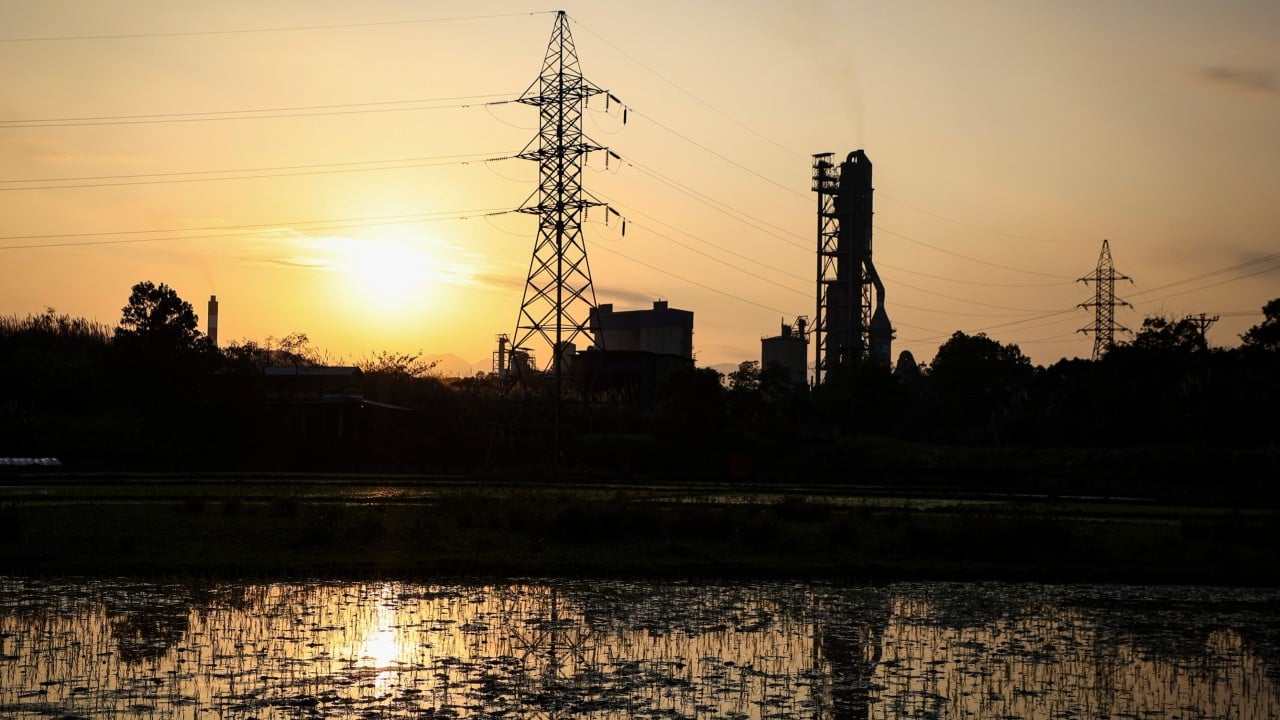
The United States is making a significant play for energy partnership in Southeast Asia, pledging $1.5 billion in investments. This initiative aims to position the U.S. as the region's preferred energy partner, offering expertise in gas, grid technology, and nuclear power. The move comes as global energy markets face turmoil, partly due to the ongoing conflict in Iran, which has heightened concerns about future supply disruptions. Analysts suggest this strategic push aligns with American interests, including expanding markets for U.S. liquefied natural gas and challenging China's influence in major infrastructure projects within the region. However, the initiative also presents tangible opportunities for Southeast Asian nations seeking to bolster their energy security and infrastructure.
The U.S. initiative in Southeast Asia's energy sector reflects a strategic response to global geopolitical and economic shifts, aiming to secure energy supply chains and expand market access for American energy resources. By offering capital and technological expertise, Washington seeks to foster regional energy independence while simultaneously counterbalancing China's growing infrastructure influence. This approach highlights the complex interplay between national security, commercial interests, and international development, as nations navigate evolving global energy dynamics. The long-term success will likely depend on the region's receptiveness to U.S. proposals, the competitiveness of its offerings compared to alternatives, and its ability to address the specific energy needs and developmental priorities of Southeast Asian countries in the coming decade.
AI-generated to prompt reflection — not editorial opinion, not advice, not a statement of fact. How this works.