US Invests $300 Million in Lithium to Reduce China Dependence
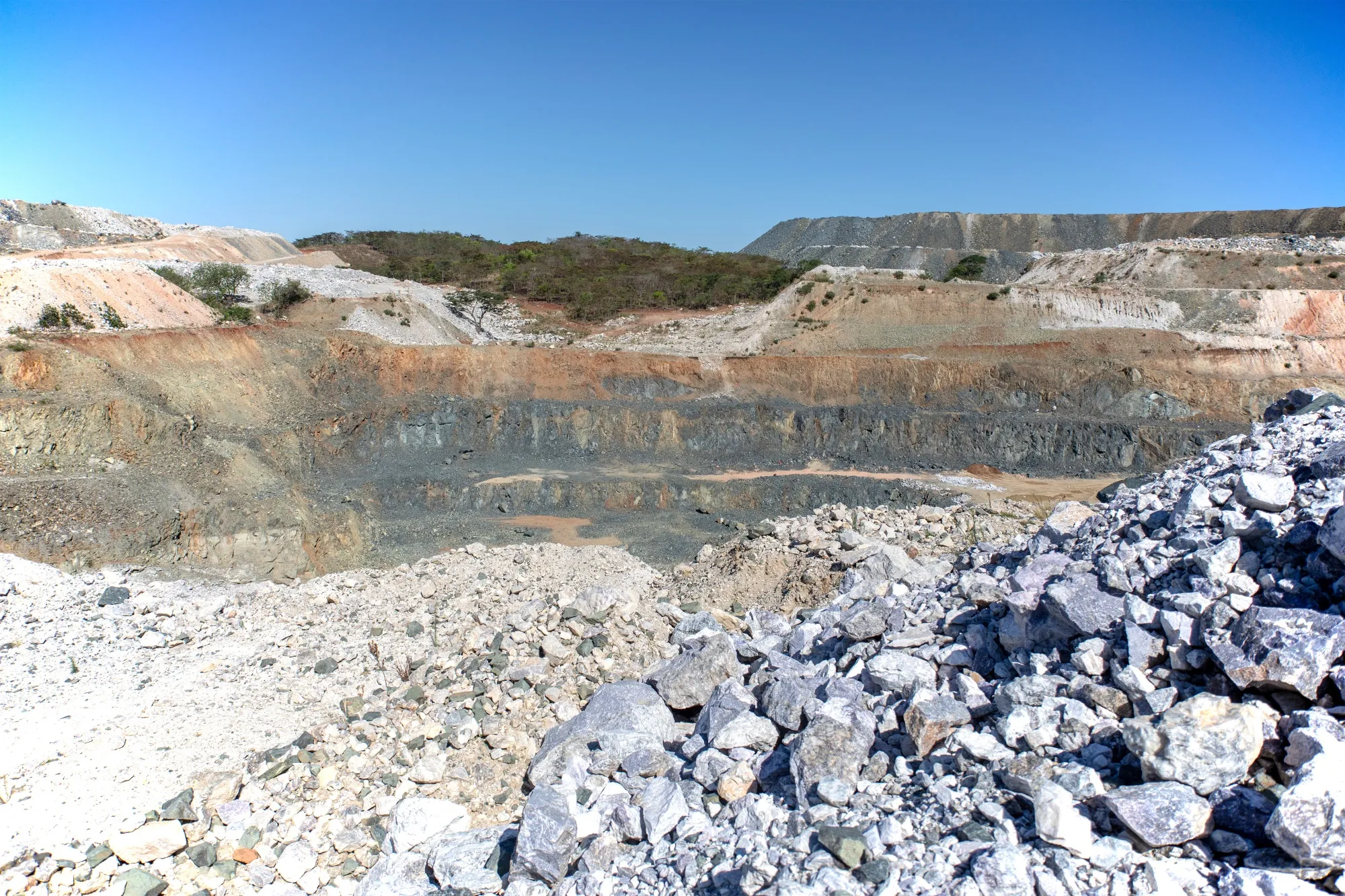
The United States is significantly increasing its efforts to secure critical minerals and decrease its reliance on China. The U.S. Department of Defense, via the Defense Logistics Agency, has initiated a $300 million contract specifically for lithium procurement. This initiative aims to build a national lithium stockpile and involves purchasing 16,000 tonnes of battery-grade lithium carbonate over a five-year period. Bids for this substantial contract were due by an unspecified date. This strategic move by the U.S. could place Zimbabwe, a country rich in lithium resources, in a more prominent position in the global supply chain. The initiative reflects a broader geopolitical strategy to diversify mineral sourcing away from China, which currently dominates much of the critical mineral market. The procurement plan underscores the growing importance of lithium in energy storage technologies, particularly for electric vehicles and renewable energy systems. The long-term implications for countries like Zimbabwe could involve increased investment and potential for economic growth, contingent on their ability to meet international quality standards and supply chain demands.
The U.S. Department of Defense's $300 million investment in lithium procurement signals a strategic pivot to de-risk critical mineral supply chains, particularly from China. This initiative highlights the growing geopolitical importance of minerals essential for advanced technologies, such as batteries for electric vehicles. By establishing a national stockpile and securing long-term supply contracts, the U.S. aims to enhance its economic and national security. For resource-rich nations like Zimbabwe, this presents an opportunity for increased foreign investment and export revenue. However, it also underscores the systemic challenge of diversifying global supply chains away from concentrated sources, which often involves navigating complex international relations, ensuring sustainable extraction practices, and meeting stringent quality and regulatory demands. The long-term success of such diversification strategies will depend on fostering stable, transparent, and mutually beneficial partnerships that encourage responsible resource development.
AI-generated to prompt reflection — not editorial opinion, not advice, not a statement of fact. How this works.