US-Iran ceasefire collapse raises fears of wider regional conflict in the Gulf
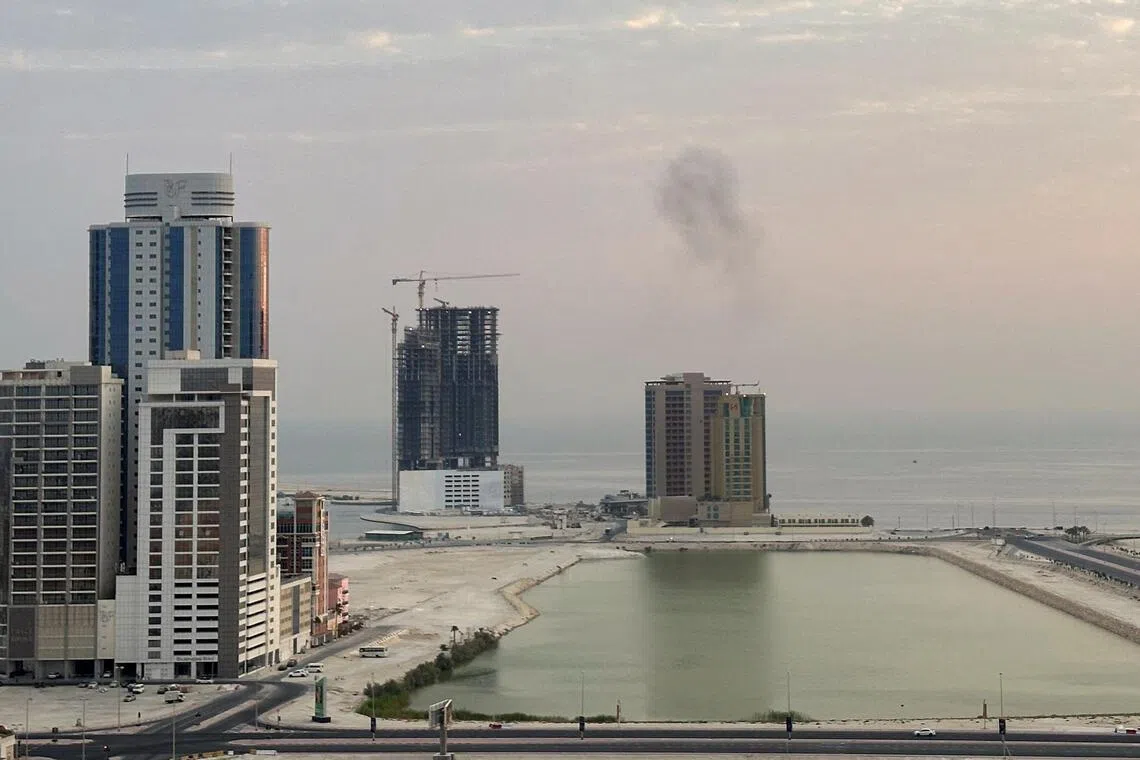
The United States and Iran are facing a heightened risk of escalating conflict in the Gulf region, as a de facto ceasefire between them has effectively collapsed. This breakdown in understanding raises concerns that the confrontation could expand beyond a bilateral dispute between the US and Iran. There is a significant danger that the situation could devolve into a broader regional war. The current trajectory suggests a lack of clear pathways for de-escalation or resolution. The coming weeks are anticipated to be more perilous than the period preceding this collapse. The potential for a wider conflict poses a serious threat to regional stability.
The breakdown of the US-Iran ceasefire signifies a critical juncture, potentially shifting the regional security landscape. The absence of de-escalation mechanisms increases the probability of miscalculation, which could trigger a wider conflict involving multiple state and non-state actors. This scenario highlights the fragility of informal agreements in managing geopolitical tensions, particularly in a region characterized by complex alliances and proxy relationships. Future diplomatic efforts will likely need to focus on re-establishing communication channels and building more robust frameworks for conflict prevention to avoid a protracted and destabilizing regional war.
AI-generated to prompt reflection — not editorial opinion, not advice, not a statement of fact. How this works.