US-Iran Conflict Escalates Across Middle East, Raising Regional War Fears
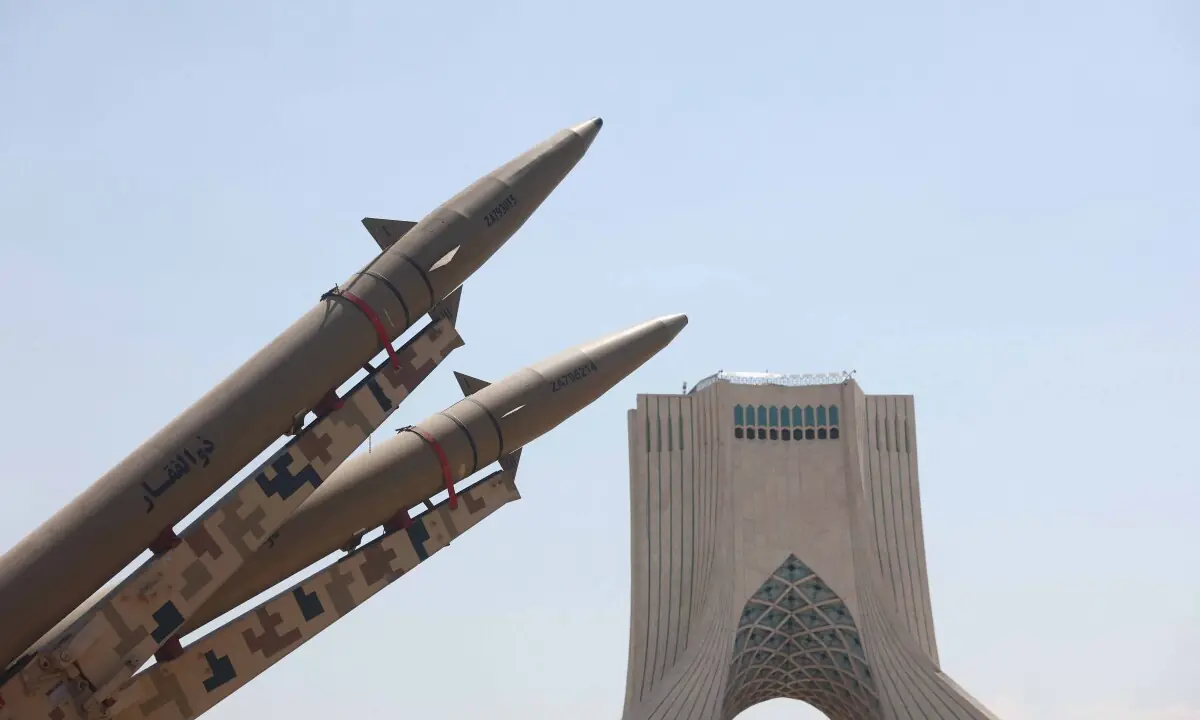
The conflict between the United States and Iran has entered an extremely dangerous phase, with fighting expanding geographically and involving new actors. Recent developments include drone attacks on Saudi oil facilities, believed to be carried out by pro-Iran militias in Iraq, which led to Saudi and American counter-attacks on targets in Iraq, resulting in casualties. This marks Saudi Arabia's first significant public combat involvement in the war. Additionally, the Egyptian port of Damietta was targeted by a drone, though no group claimed responsibility. The US has struck the Iranian island of Qeshm, causing civilian deaths, while Iran has attacked facilities in Jordan and Kuwait. Last week, Ukraine also targeted an Iranian vessel in the Caspian Sea. The increasing number of participants heightens the risk of miscalculation, where a single errant strike could trigger a wider conflict. Diplomacy is emphasized as the only viable path forward, with the Islamabad MoU presented as a potential peace framework. The article suggests the US, as the aggressor, should initiate peace efforts by admitting the war was a mistake, while Iran should respond positively and adopt a more flexible stance regarding the Strait of Hormuz. Keeping the Strait closed harms the global community, including Iran's allies. The author expresses concern about the rationality of decisions made by the current US administration and speculates on the influence of the Israeli prime minister. Without de-escalation, a catastrophic regional war is a potential outcome, but engaging intermediaries like Pakistan and other regional states could offer a path to resolution, though the opportunity for negotiation may be limited.
The escalating conflict between the US and Iran, now involving regional actors and expanding across multiple territories including Iraq, Saudi Arabia, Egypt, Jordan, and Kuwait, presents a heightened risk of miscalculation and wider regional conflagration. The involvement of non-state proxies, such as pro-Iran militias, complicates attribution and escalates retaliatory cycles. The article highlights the critical need for diplomatic de-escalation, emphasizing that the current trajectory, driven by perceived aggressor-defender dynamics and potentially influenced by geopolitical maneuvering, risks systemic instability. From a long-term perspective, the continued reliance on military responses over sustained diplomatic engagement, particularly concerning vital global trade routes like the Strait of Hormuz, demonstrates a failure to prioritize international economic and security interdependence. Future conflict resolution frameworks must address the complex web of state and non-state actors, incentivize de-escalation through verifiable mechanisms, and establish robust channels for communication to mitigate the inherent risks of an increasingly interconnected and volatile geopolitical landscape.
AI-generated to prompt reflection — not editorial opinion, not advice, not a statement of fact. How this works.