US-Iran conflict jeopardizes regional security pact, Qatar official warns
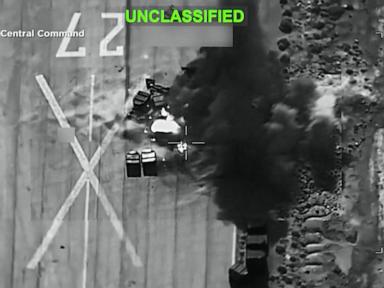
A senior Qatari official has stated that the recent escalation of conflict between the United States and Iran is jeopardizing key aspects of a Memorandum of Understanding (MOU) that was agreed upon by regional nations last month. This renewed fighting raises concerns about the stability and effectiveness of the previously established agreement. The official's remarks highlight the delicate geopolitical situation in the region and the potential for ongoing tensions to undermine diplomatic efforts. The MOU was intended to foster cooperation and de-escalate conflicts among the participating countries. However, the current military actions by both the U.S. and Iran appear to be creating significant obstacles to its implementation. The implications of these developments could lead to further instability and uncertainty in the region.
The resurgence of direct conflict between the U.S. and Iran introduces significant volatility into regional security architectures. This dynamic challenges the efficacy of multilateral agreements like the MOU, suggesting that geopolitical tensions can rapidly override negotiated frameworks. The situation underscores a persistent tension between sovereign military actions and the collective security objectives of regional pacts. Future diplomatic efforts may need to incorporate more robust mechanisms for de-escalation and conflict resolution that can withstand external pressures, particularly as the global security landscape becomes increasingly complex and interconnected.
AI-generated to prompt reflection — not editorial opinion, not advice, not a statement of fact. How this works.