US-Iran Deal Stalled Over Hormuz Strait; War or Peace, Which Way Will Things Go?
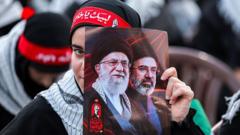
The US and Iran are locked in a dispute over the strategic Hormuz Strait, which has become a major obstacle to a potential agreement between the two nations. This critical waterway is central to global oil transport and its control is a significant point of contention. The current strategies employed by both the United States and Iran appear to be exacerbating the situation, potentially leading to further complications. The article suggests that the ongoing actions of both sides may be pushing the situation towards a more complex and potentially volatile outcome. The analysis will delve into the dynamics of this standoff and explore the potential trajectories of the US-Iran relationship concerning the Hormuz Strait. It raises questions about whether the current approach will lead to conflict or de-escalation.
The standoff over the Hormuz Strait highlights the complex geopolitical incentives driving US-Iran relations. Control of this vital chokepoint carries immense strategic and economic leverage, influencing global energy markets and regional security dynamics. The current strategic postures, while aimed at asserting influence, risk escalating tensions and creating unintended consequences. From a long-term perspective, the reliance on asserting dominance through such critical chokepoints may prove unsustainable in an increasingly interconnected world. Exploring diplomatic frameworks that prioritize shared security and economic stability, rather than zero-sum control, could offer a more durable path forward, mitigating the inherent risks of conflict and fostering regional cooperation.
AI-generated to prompt reflection — not editorial opinion, not advice, not a statement of fact. How this works.