US-Iran Nuclear Talks May Resume in Islamabad on July 11
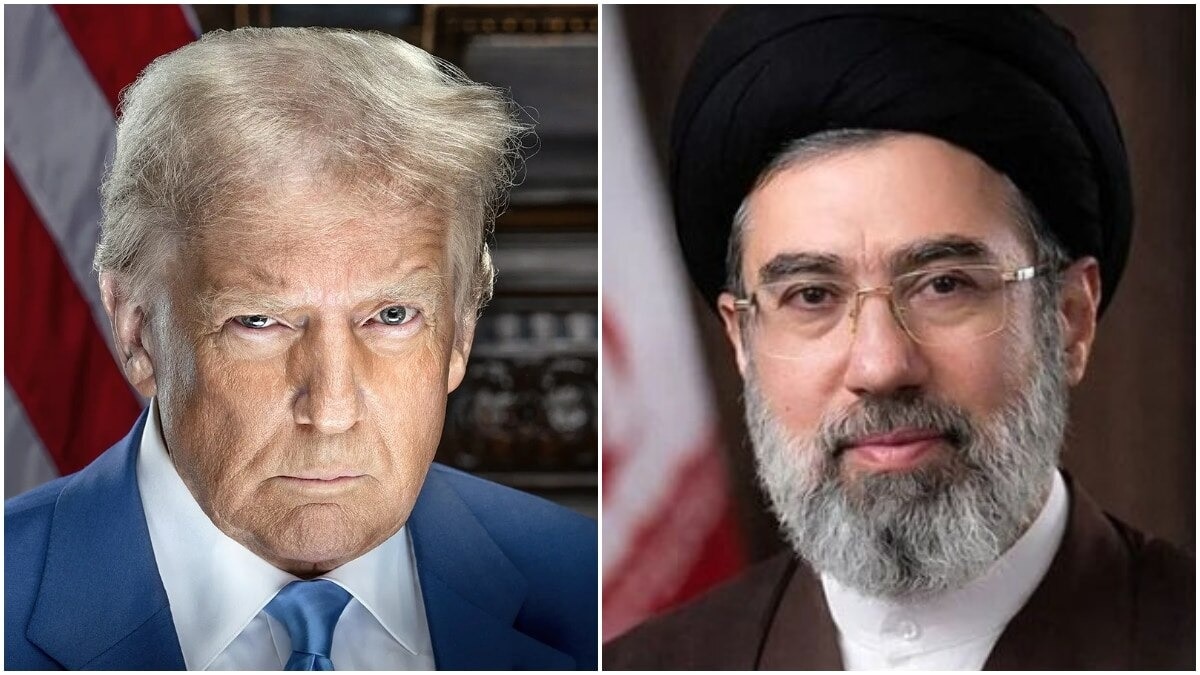
The next round of talks between the United States and Iran concerning critical issues, including Iran's nuclear program and sanctions, may take place in Islamabad, the capital of Pakistan. This potential meeting is tentatively scheduled for July 11. Discussions are expected to cover regional security, the Strait of Hormuz, and the possibility of sanctions relief for Iran. These high-level discussions aim to address ongoing tensions and find common ground on a range of complex geopolitical matters. The location in Islamabad suggests Pakistan's continued role as a facilitator for international dialogue. The outcome of these negotiations could have significant implications for global energy markets and international relations in the Middle East. Both nations have previously engaged in dialogue, but progress has been challenging. The proposed July 11 date indicates a renewed effort to de-escalate tensions and seek diplomatic solutions. The specific agenda points, such as sanctions relief, highlight the core economic and political stakes involved. The international community will be closely watching these developments.
The potential resumption of US-Iran talks in Islamabad on July 11, focusing on nuclear issues, sanctions, and regional security, represents a critical juncture in diplomatic efforts. Such negotiations, if they materialize, will be shaped by the complex interplay of national interests, international pressure, and the evolving geopolitical landscape. The framing of these discussions as potentially addressing sanctions relief and the Strait of Hormuz indicates a focus on economic levers and strategic chokepoints. The success of these talks will likely hinge on the willingness of both parties to navigate deeply entrenched positions and find mutually acceptable compromises, balancing immediate concerns with long-term strategic objectives. Future diplomatic frameworks may need to incorporate broader regional security architectures to ensure sustainable stability, moving beyond bilateral agreements to address systemic challenges.
AI-generated to prompt reflection — not editorial opinion, not advice, not a statement of fact. How this works.