US-Iran Peace Talks Begin Amid Tense Negotiations and Market Relief
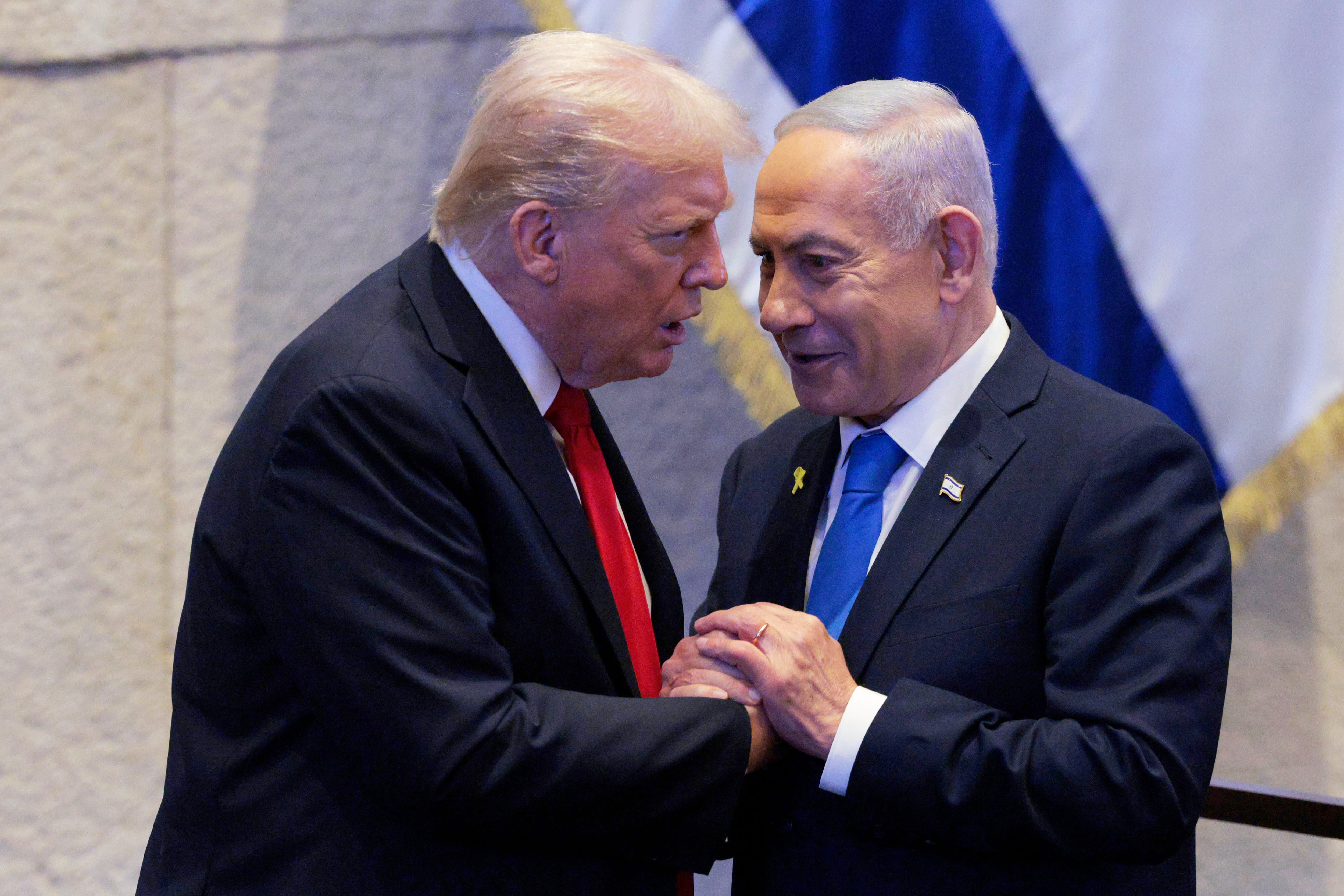
Markets reacted positively to an announcement of a peace agreement between the United States and Iran, with the IMF celebrating the reopening of navigation through the Strait of Hormuz. The price of a barrel of oil dropped by 24%, averting the risk of a severe global economic recession. After nearly four months of war and blockade, the energy vulnerability of many countries was exposed. Shipping companies are cautiously resuming passage through the vital strait for commerce, though hydrocarbon supply will remain restricted for some time. Approximately 40 oil facilities across ten countries sustained significant damage during the conflict. Despite the agreement, reports of cross-border attacks in the strait have emerged, potentially reversing the progress made. The Strait of Hormuz had not presented significant navigation issues before the war. President Donald Trump's administration, influenced by Benjamin Netanyahu, had anticipated the collapse of the Iranian regime. Aerial bombardments destroyed military and industrial sites, and a naval blockade severely impacted Iran's economy. Currently, the situation shows little improvement from the conflict's outset, with the Iranian population continuing to face repression under a theocratic dictatorship that has leveraged nationalism for its survival. Iran's nuclear capabilities remain uncertain, and Tehran appears to be seeking to monetize the passage of approximately 36,000 annual vessels through the strait. The memorandum of understanding between Washington and Tehran signals the start of tense negotiations expected to span several months, with the possibility of extension. The ceasefire opens a dialogue for a distant peace, with both Washington and Tehran claiming victory. The potential for renewed conflict exists, contingent on Israel's actions, though daily events remain volatile with ongoing clashes and difficulty in restoring trust. The agreement outlines a 14-point roadmap, subject to modification, focusing on reopening the Strait of Hormuz, partially suspending Iran's nuclear program, and unfreezing Iranian assets. Israel is excluded from the agreement's negotiations but is expected to comply. Diplomatic efforts from Pakistan and Qatar, alongside oil monarchies, have facilitated the US-Iran rapprochement, while China has urged non-interference. Europe's influence on events has been limited, and significant challenges lie ahead in the negotiations taking place in Switzerland. The International Atomic Energy Agency has announced its return to inspect Iranian nuclear facilities. Historically, the Middle East has seen numerous peace negotiations; the Obama administration achieved some success in 2015 regarding Iran's nuclear program, an accord Netanyahu opposed. Trump later withdrew the US from this deal, which had included sanctions and subsidies for international oversight of Iran's nuclear activities. The region's volatility often leads to crisis management rather than clear victories. Electoral timelines in the US and Israel appear to be factors in this peace agreement, with Republican strategists anticipating economic cooling before US midterm elections and Netanyahu facing a referendum on his performance in upcoming Israeli elections. The US government desires a halt to Israeli military actions during this period, which is a key element of Netanyahu's political strength. In Iran, the conflict has impacted the ayatollah leadership, consolidating power within the Revolutionary Guard, which advocates for perpetual conflict. However, pragmatic voices within Iran favor ending hostilities and reaching a settlement. If negotiations in Switzerland succeed, a framework similar to the Obama-era deal may emerge, prioritizing dialogue and predictability over a perfect outcome. Hillary Clinton has advocated for increased peace efforts in the Middle East, highlighting the immense challenge for negotiators.
The recent US-Iran agreement, while bringing immediate market relief and reopening the Strait of Hormuz, represents a fragile truce rather than a definitive peace. The underlying geopolitical tensions, particularly concerning Iran's nuclear program and regional influence, remain unresolved. The deal's success hinges on navigating complex diplomatic waters, with key actors like Israel excluded from direct negotiation but bound by its terms, creating potential friction. The influence of domestic electoral cycles in both the US and Israel suggests the agreement may be partly driven by short-term political expediency, potentially undermining long-term stability. Future negotiations will need to address systemic issues of regional security architecture and Iran's role, moving beyond crisis management to foster sustainable predictability and de-escalation. The challenge lies in establishing robust verification mechanisms and fostering genuine dialogue to prevent a return to conflict, learning from past diplomatic successes and failures.
AI-generated to prompt reflection — not editorial opinion, not advice, not a statement of fact. How this works.