US-Iran Tensions: De-escalation Efforts Underway Amidst Escalating Conflict
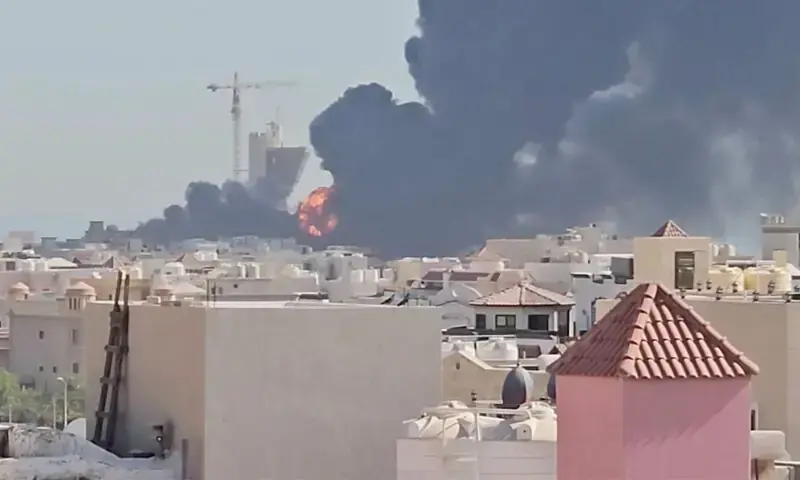
Despite ongoing military exchanges between the United States and Iran across the Gulf and the broader Middle East, diplomatic efforts are actively being pursued to de-escalate the situation and revive a ceasefire. A significant development occurred on Tuesday with a series of meetings between Iranian Interior Minister Eskander Momeni and senior Pakistani civil and military officials. Regional stability was a key topic, with Minister Momeni indicating that discussions would continue, signaling Iran's interest in finding an off-ramp from hostilities. Concurrently, U.S. Secretary of State Marco Rubio, speaking in Manila, adopted a firm stance towards Iran but did not dismiss the possibility of a diplomatic resolution. The challenge of reviving peace talks is substantial, especially as Iranian President Masoud Pezeshkian has described the situation as a "full-scale war" with the U.S., and recent escalations over the past two weeks suggest a dangerous trajectory. However, the recent diplomatic engagement in Islamabad and the U.S.'s openness to negotiations offer a slim possibility for dialogue renewal. The existing low trust between Washington and Tehran will necessitate exceptional diplomatic skill to bring both parties back to the negotiating table. The alternative to this arduous task is a regional war with devastating consequences, as the conflict has already expanded to include Iranian attacks on U.S. bases beyond the Gulf and Houthi blockades of Red Sea shipping. To avert further alarming escalation, both nations must cease hostilities and allow negotiators to establish a viable peace framework. The U.S. is urged to halt attacks and threats against Iran, while Iran must refrain from targeting Gulf states. While the current escalation may appear contained, the risk of uncontrolled escalation into a larger conflict is significant. Behind-the-scenes de-escalation efforts by countries like Pakistan are contrasted by forces seeking to prolong hostilities, with U.S. Vice President J.D. Vance suggesting some Israeli actors wish to maintain the conflict indefinitely. The U.S. president is advised that continuing on the current path risks regional conflagration, and an honorable exit can only be achieved through collaborative negotiation with Pakistan and other mediators.
The current geopolitical situation reflects a complex interplay of escalating military actions and nascent diplomatic initiatives. The stated goal of de-escalation by both Iran and the U.S. appears to be challenged by the inherent security dilemmas and potentially divergent interests among regional and international actors. The involvement of third-party mediators like Pakistan highlights the recognized need for de-escalation, yet the underlying trust deficit and the potential for miscalculation remain significant obstacles. Future conflict prevention will likely depend on establishing robust communication channels and verifiable de-escalation mechanisms, moving beyond reactive diplomacy to proactive risk reduction. The broader implications for global stability and energy markets necessitate a careful assessment of the long-term strategic consequences of continued confrontation versus sustained diplomatic engagement.
AI-generated to prompt reflection — not editorial opinion, not advice, not a statement of fact. How this works.