US-Iran Tensions Escalate: A New 'Endless War' on the Horizon?
The fragile truce between the United States and Iran, established in June, has collapsed amid increasingly intense exchanges of bombings, drones, and missiles. The conflict is now shifting from whether war has resumed to whether it is morphing into a protracted, unwinnable dispute. Experts like Kelly Grieco from the Stimson Center describe this potential scenario as an "endless war," characterized by recurring military actions and the absence of a lasting political solution. This approach involves periodically "mowing the lawn" – allowing Iran's capabilities to grow before launching new strikes, only to repeat the cycle indefinitely.
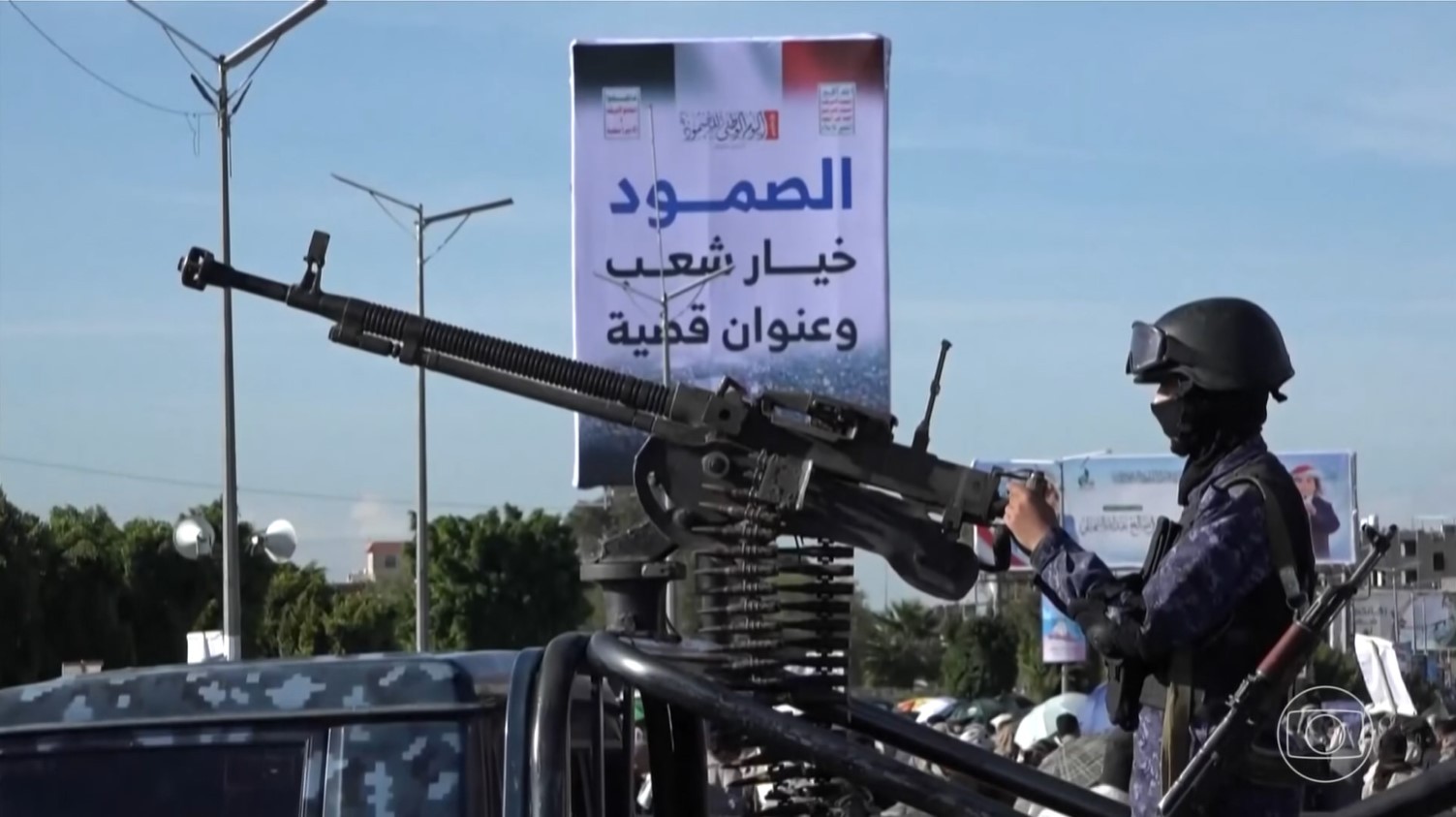
US military aviation has intensified strikes on Iranian targets, while Iran retaliates against American positions and regional allies. Iranian forces have attacked sites across Gulf nations and disrupted shipping in the Strait of Hormuz, a vital chokepoint for global energy exports. Simultaneously, Iran-backed Houthi rebels in Yemen have imposed a naval blockade on Saudi Arabia in the Red Sea, threatening another critical maritime route.
Diplomatic efforts are underway, with Iran's Interior Minister Eskandar Momeni visiting Pakistan, a key mediator. However, prospects for progress appear dim, as US President Donald Trump has expressed little interest in new negotiations, stating Americans "have no interest in meeting." Iranian officials have warned against attacking nuclear facilities, citing the risk of major escalation. Megan Sutcliffe, a Middle East and Africa security analyst, warns that continued US airstrikes on Iranian infrastructure could lead to reciprocal attacks on similar targets in the Gulf and the Levant, potentially escalating into a large-scale conflict.
The US objectives have shifted throughout the conflict, from regime change and nuclear program elimination to degrading military capabilities and, most recently, reopening the Strait of Hormuz. Despite US military superiority and hundreds of strikes, Iran retains a residual capacity to disrupt shipping in Hormuz, as even a small percentage of its missile and drone arsenal can be effective. This situation draws parallels to the US involvement in Iraq during the 1990s, suggesting a prolonged commitment focused on air power with no clear end in sight.
While de-escalation and avoiding an "endless war" remain possible, they appear unlikely. The core issue, the Strait of Hormuz, holds the global economy hostage and requires a negotiated settlement. For Iran, threatening this waterway is a crucial leverage point against the US. Until both sides prioritize negotiation over force, the conflict risks becoming another protracted American "endless war."
The escalating US-Iran conflict presents a complex geopolitical challenge, potentially evolving into a protracted "endless war" characterized by cyclical military engagements and a lack of resolution. This dynamic suggests a strategic stalemate where neither side can achieve decisive victory, leading to a costly and prolonged engagement. The disruption of the Strait of Hormuz highlights how asymmetric tactics, such as the use of drones and fast boats, can effectively challenge superior military power, impacting global economic stability. The situation underscores the inherent difficulties in achieving long-term strategic objectives through purely military means, especially when adversaries can leverage critical global chokepoints. Future de-escalation will likely hinge on finding a diplomatic pathway that addresses Iran's security concerns and its perceived need for leverage, while ensuring the unimpeded flow of international commerce. The persistent reliance on military force over negotiation risks entrenching a volatile status quo, with significant implications for regional and global security in the coming decade.
AI-generated to prompt reflection — not editorial opinion, not advice, not a statement of fact. How this works.