US-Iran Tensions Escalate After Nine Nights of Conflict
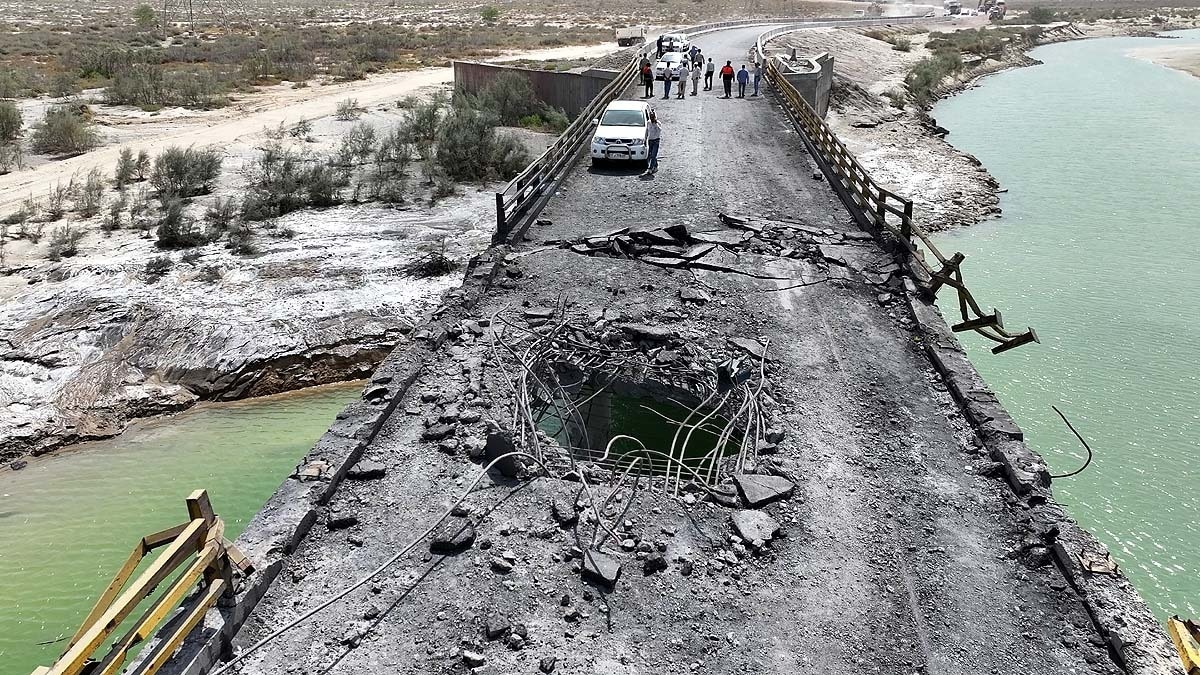
A significant escalation has occurred between the United States and Iran following nine nights of intense conflict. The confrontation has resulted in casualties among American soldiers stationed in Jordan, with reports indicating substantial damage to infrastructure within Iran. The repercussions of these hostilities are extending across the Middle East, affecting multiple countries in the region. The exact nature and extent of the damage and casualties are still being assessed, but the situation underscores a heightened state of tension and potential for wider instability. This recent period of conflict marks a critical juncture in the ongoing geopolitical dynamics between the two nations and their allies in the Middle East.
The recent nine-night conflict between the US and Iran highlights the volatile geopolitical landscape of the Middle East. The reported damage to infrastructure in Iran and casualties among US troops in Jordan indicate a direct escalation of hostilities, moving beyond proxy engagements. This situation presents a complex challenge for regional stability, with potential implications for global energy markets and international relations. The incentive structures driving this conflict likely involve national security concerns, regional influence, and deterrence strategies. Moving forward, diplomatic channels and de-escalation efforts will be crucial to prevent further entanglement and mitigate the risk of a broader regional war, considering the interconnectedness of global supply chains and the potential for systemic shocks.
AI-generated to prompt reflection — not editorial opinion, not advice, not a statement of fact. How this works.