US-Iran Tensions Escalate Amid Regional Strikes and Diplomatic Stalemate
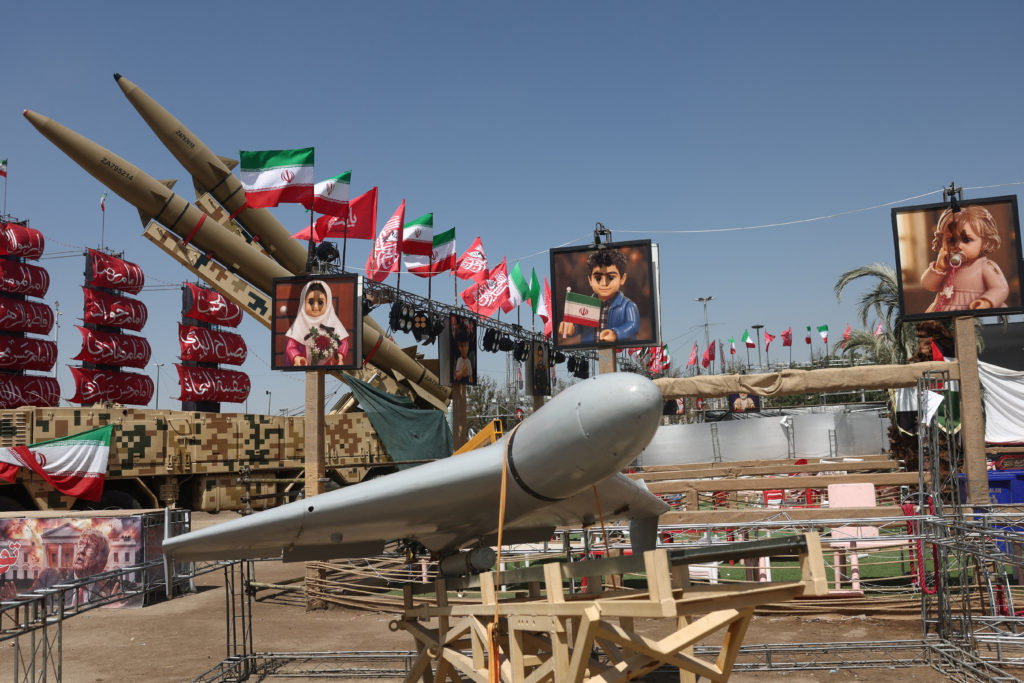
The conflict between the United States and Iran has entered a new and potentially volatile phase, marked by renewed military strikes from both sides within the last 24 hours. These actions raise concerns about a potential return to all-out war and a broader regional escalation. The situation is further complicated by reports that Saudi Arabia is assisting in strikes against proxies, indicating a deepening involvement of regional powers. Meanwhile, diplomatic efforts appear to be stalled, leaving uncertainty about the strategic direction for both American and Iranian officials. Despite a brief period of relative calm, the recent military actions underscore the fragile nature of the current situation and the significant risks of further conflict. The lack of a clear strategy from key players adds to the instability, making it difficult to foresee a de-escalation in the near future. The involvement of Saudi Arabia suggests a widening scope of the conflict beyond direct US-Iran confrontations.
The current escalation signifies a complex geopolitical dynamic where proxy conflicts are increasingly drawing in regional state actors, such as Saudi Arabia, potentially broadening the scope of the US-Iran confrontation. The absence of clear diplomatic pathways suggests that military posturing may be perceived as the primary tool for influence, risking a feedback loop of retaliatory strikes. This situation highlights the challenge of managing asymmetric warfare and regional rivalries within a multipolar international system, where de-escalation requires coordinated strategies that address both direct and indirect threats. The next decade may see a greater emphasis on non-military solutions, but current incentive structures appear to favor kinetic responses, posing a significant risk to regional stability and global energy markets.
AI-generated to prompt reflection — not editorial opinion, not advice, not a statement of fact. How this works.