US-Iran Tensions Escalate Amid Strait of Hormuz Incidents, Ceasefire in Doubt
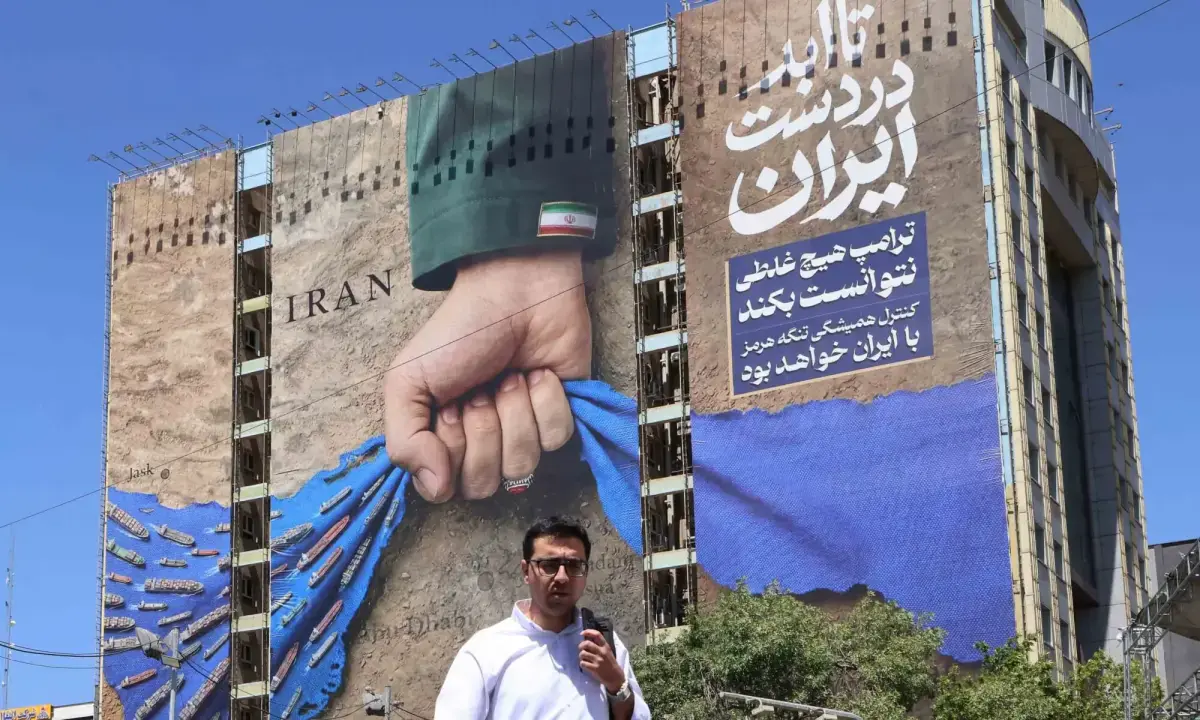
A fragile ceasefire and memorandum of understanding (MoU) between the United States and Iran appear to be on the verge of collapse following a new wave of violence. The recent escalation began with suspected Iranian attacks on vessels in the Strait of Hormuz, reportedly targeting ships not adhering to Tehran's designated routes. In response, the U.S. conducted retaliatory strikes on Iranian facilities early Wednesday. Tehran then claimed to have attacked U.S. facilities in Kuwait and Bahrain. Adding to the uncertainty, U.S. President Donald Trump declared the MoU with Iran defunct and described talks with the Islamic Republic as a "waste of time." Trump's previous withdrawal from the Iran nuclear deal suggests these threats should be taken seriously. Despite using strong language towards Iran, President Trump also indicated a possibility for continued dialogue. A return to wider hostilities would benefit few, potentially only those seeking conflict. Both nations are urged to exercise restraint and de-escalate to prevent further violence. The coming days are critical for determining the survival of the MoU and the ceasefire. Iran must ensure unimpeded passage through the Strait of Hormuz, as its closure would severely impact the global economy. The U.S. is advised to temper its rhetoric and allow diplomatic efforts to proceed. President Trump's aggressive statements may inadvertently strengthen hard-liners in Iran who distrust the U.S. Furthermore, Israel's opposition to U.S.-Iran peace efforts is noted, with concerns that Tel Aviv may be actively working to undermine them. Both the U.S. and Iran should be cautious of Israel's potential to disrupt peace initiatives. The U.S. might consider reinstating oil sale waivers for Iran, which were canceled as hostilities resumed. Additionally, Iran has cited Israel's ongoing attacks in Lebanon as a threat to the peace process. Mediators, including Pakistan and Qatar, are encouraged to intensify their efforts to preserve the truce. Ensuring the ceasefire's success is challenging but vital to avoid a return to war, which would have devastating regional and global economic consequences. Continued pursuit of peace in the Gulf is therefore imperative for all parties involved.
The recent flare-up in the Gulf highlights the inherent instability of ceasefires negotiated under duress, particularly when underpinned by a memorandum of understanding that can be unilaterally revoked. The strategic choke point of the Strait of Hormuz amplifies the systemic risk, as any disruption carries significant global economic repercussions. President Trump's rhetoric, while potentially aimed at domestic audiences or signaling resolve, risks alienating potential diplomatic partners and empowering hard-line factions within Iran, thereby creating a self-fulfilling prophecy of conflict. The alleged external influence of Israel in thwarting peace efforts introduces a complex geopolitical dynamic, suggesting that regional rivalries can actively undermine de-escalation attempts. Moving forward, a sustainable resolution will likely require not only direct de-escalation between the U.S. and Iran but also a broader regional security dialogue that addresses the underlying incentives for conflict and the role of external actors in maintaining stability.
AI-generated to prompt reflection — not editorial opinion, not advice, not a statement of fact. How this works.