US-Iran Tensions Escalate Amidst Diplomatic Stalemate
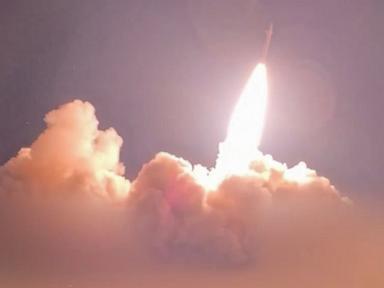
Despite a 14-point deal signed by President Donald Trump in mid-June, intended as a diplomatic resolution, tensions between the United States and Iran have escalated. This suggests that the initial diplomatic efforts have faltered, leading to a widening conflict. The specifics of the 14-point agreement and the exact nature of its failure are not detailed, but its intended purpose was to de-escalate the situation. The current expansion of the conflict implies that diplomatic channels may be insufficient or have been undermined. Further details regarding the actions taken by both the US and Iran following the agreement would be necessary to fully understand the trajectory of the conflict. The situation highlights the complexities of international relations and the challenges in achieving lasting peace through negotiation, especially between nations with deeply entrenched disagreements.
The escalation of US-Iran tensions, despite a purported diplomatic agreement, indicates a potential disconnect between stated intentions and on-the-ground realities. This situation may stem from differing interpretations of the agreement's terms, the influence of hardline factions within either nation, or external geopolitical pressures. The expansion of conflict, rather than resolution, suggests that the underlying structural issues driving the dispute remain unaddressed. Moving forward, a comprehensive approach that tackles these root causes, alongside sustained, transparent diplomatic engagement, will be crucial to prevent further destabilization in the region. The effectiveness of future diplomatic initiatives will likely depend on their ability to build trust and create mutually beneficial outcomes, rather than relying on narrowly defined concessions.
AI-generated to prompt reflection — not editorial opinion, not advice, not a statement of fact. How this works.