US-Iran Tensions Escalate, Echoing Vietnam War Concerns
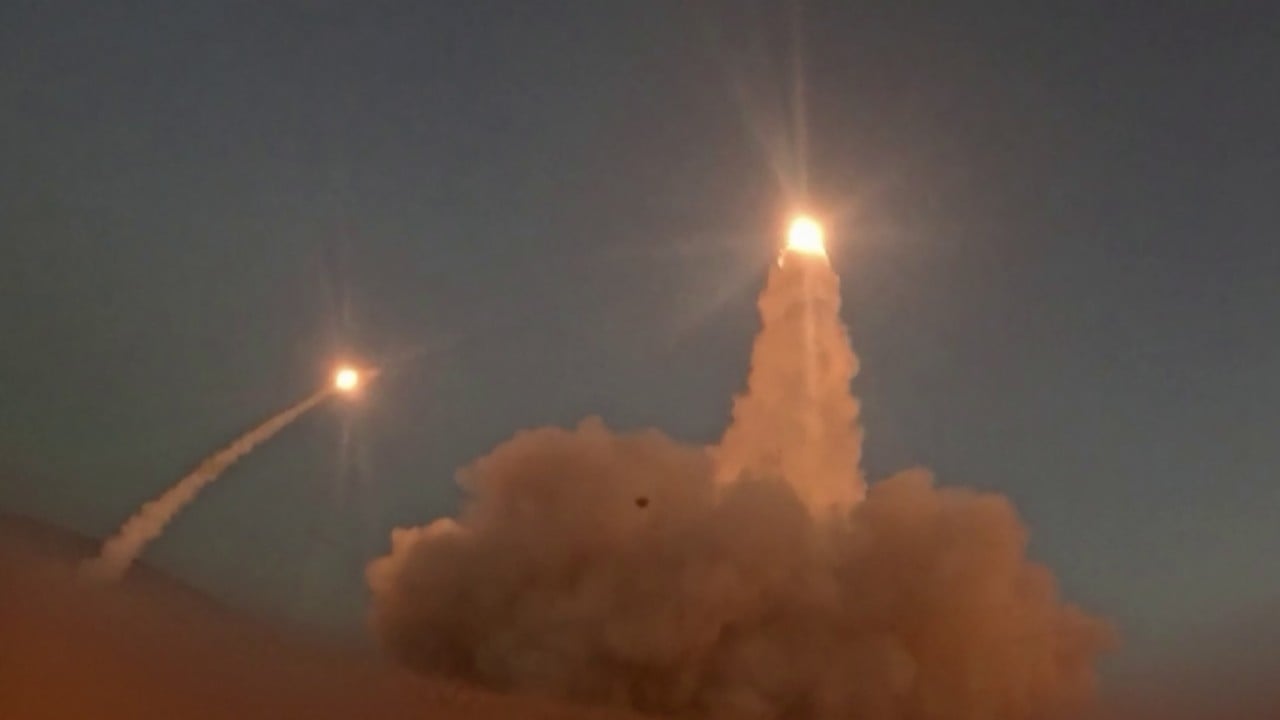
Hostilities between the United States and Iran have intensified, marking at least two ceasefires and five months of conflict. US President Donald Trump has reinstated a naval blockade on Iranian ports, leading to renewed strikes between American and Iranian forces. This escalation is testing Iran's resilience and the United States' willingness to engage in a protracted conflict. Some analysts are drawing parallels between the current situation and the significant political challenges faced by past US presidents during prolonged wars, such as the Vietnam War. The renewed cycle of conflict raises questions about the long-term implications for both nations and the broader region.
The current escalation in US-Iran tensions, marked by a naval blockade and retaliatory strikes, presents a complex geopolitical challenge. The comparison to the Vietnam War, while potentially provocative, highlights concerns about prolonged military engagement and its associated political and economic costs. Analyzing this situation requires considering the strategic objectives of both nations, the potential for unintended escalation, and the broader regional stability implications. Future developments will likely hinge on diplomatic efforts, the effectiveness of economic sanctions, and the internal political dynamics within both the US and Iran. The international community will be closely observing to assess the trajectory of this conflict and its impact on global energy markets and security.
AI-generated to prompt reflection — not editorial opinion, not advice, not a statement of fact. How this works.