US-Iran Tensions Escalate in Gulf Region, Future Uncertain
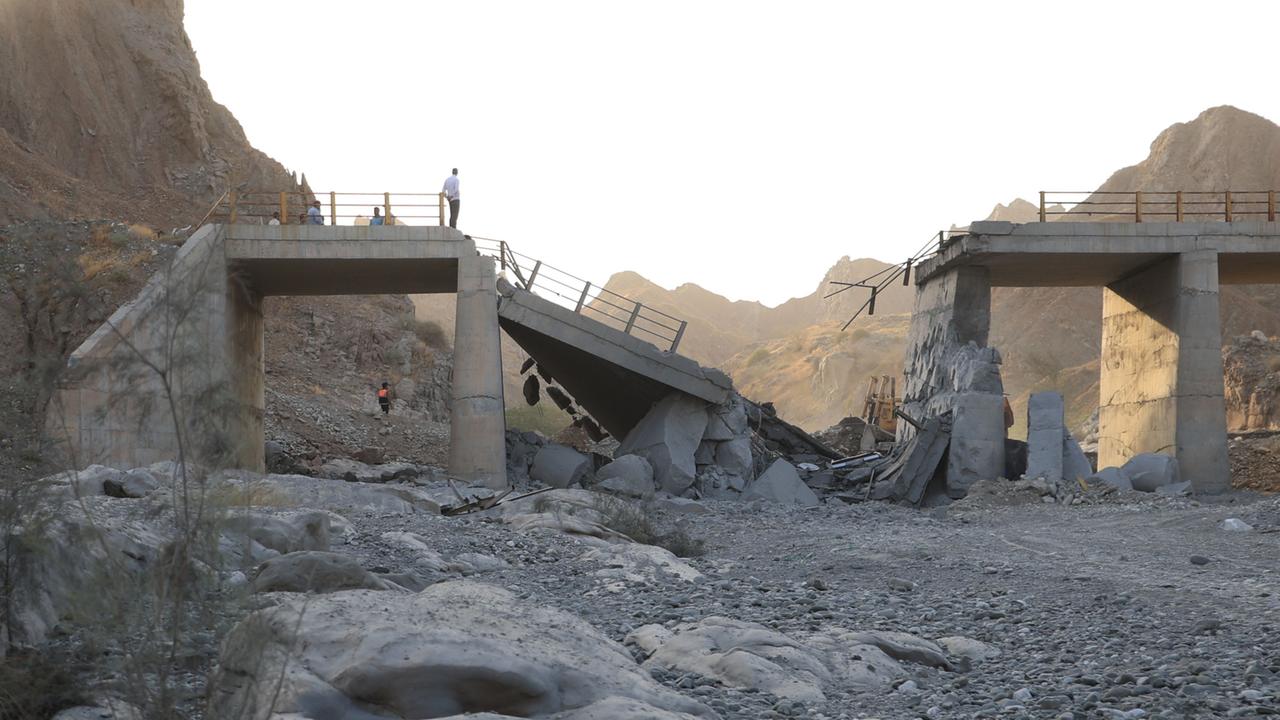
The United States is reportedly conducting daily attacks on Iranian targets, prompting retaliatory strikes from Iran against Gulf states. This escalation mirrors the volatile situation experienced in the spring. The path forward to de-escalate the conflict remains unclear. The analysis of potential outcomes is uncertain, leaving the future of the region in doubt. The ongoing military actions by both the US and Iran are creating significant instability. International observers are closely monitoring the developments, seeking any signs of a diplomatic resolution. The economic and geopolitical ramifications of this heightened tension are substantial. The article does not provide specific details on the nature of the attacks or the exact Gulf states targeted.
The current cycle of US-Iran military actions in the Gulf region presents a classic security dilemma, where defensive measures by one state are perceived as offensive by another, leading to a spiral of escalation. The lack of a clear de-escalation strategy suggests a potential disconnect between stated objectives and the practical implications of kinetic responses. Future policy considerations should focus on de-risking strategic communication channels and exploring non-military avenues for conflict resolution to prevent further destabilization. The interconnectedness of global energy markets and regional stability means that prolonged conflict could have far-reaching economic consequences.
AI-generated to prompt reflection — not editorial opinion, not advice, not a statement of fact. How this works.