US-Iran Tensions Escalate in Strait of Hormuz Amid Retaliatory Strikes
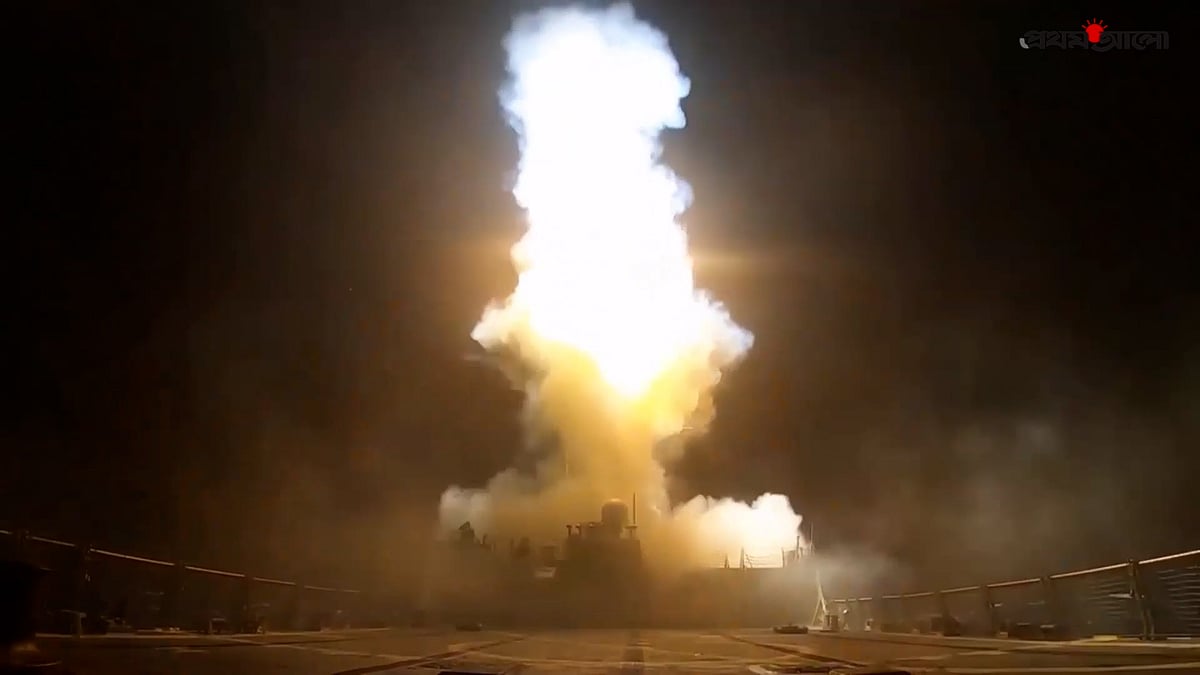
Tensions have significantly intensified between the United States and Iran, centered around the critical Strait of Hormuz. In response to an earlier attack, Iran has launched a series of retaliatory strikes against U.S. bases across the Persian Gulf region. This escalation has heightened fears of a wider conflict erupting in the Middle East. The situation remains volatile, with both nations engaged in direct military actions against each other's interests in the strategic waterway. The ongoing exchange of fire raises serious concerns about regional stability and the potential for broader geopolitical ramifications. Further details are available in the accompanying video report.
The recent escalations in the Strait of Hormuz highlight the persistent geopolitical friction between the U.S. and Iran. These retaliatory actions, while framed as responses, can create cyclical dynamics where each strike increases the incentive for further aggression, potentially leading to unintended escalation. The strategic importance of the Strait of Hormuz means that any conflict there has immediate global economic implications, particularly for energy markets. Future-oriented analysis suggests that de-escalation strategies focusing on clear communication channels and mutually understood red lines are crucial to prevent a localized incident from spiraling into a broader regional war, especially in an era where technological advancements could accelerate conflict dynamics.
AI-generated to prompt reflection — not editorial opinion, not advice, not a statement of fact. How this works.