US-Iran Tensions Escalate: Missiles, Maps, and Messages Fuel Conflict
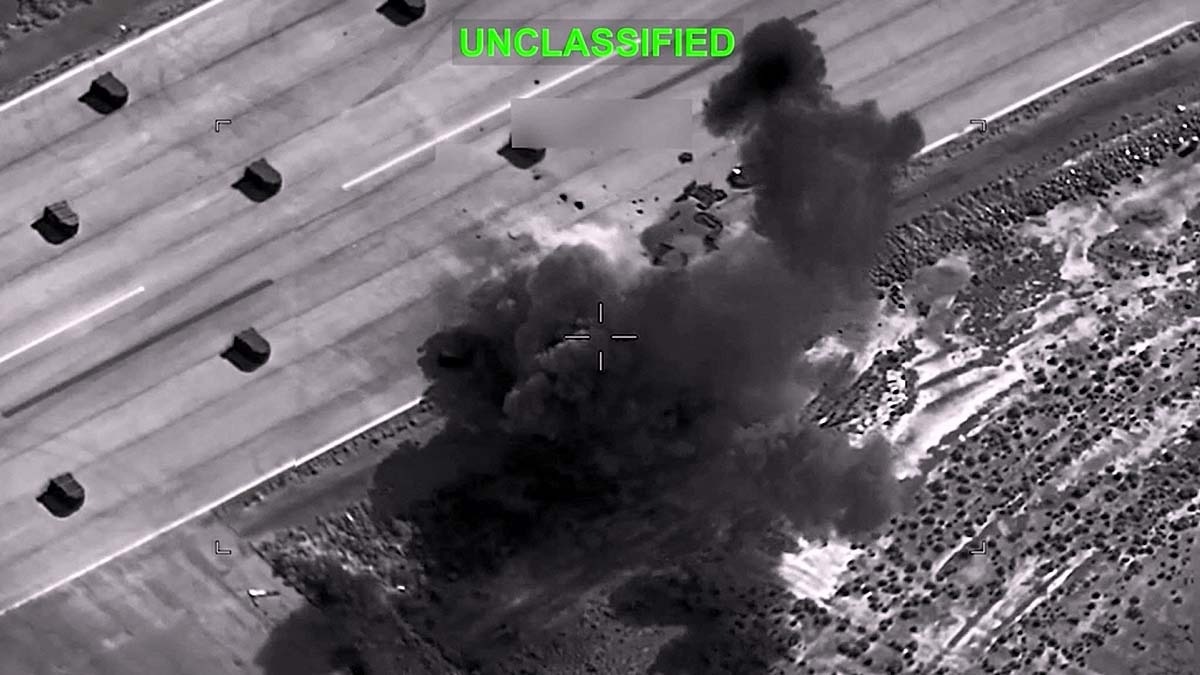
The fragile ceasefire between the United States and Iran appears to be breaking down, with recent exchanges of fire escalating tensions. The US initiated strikes targeting locations around the Strait of Hormuz, prompting a retaliatory response from Iran. This latest confrontation has been accompanied by sharp rhetoric from both sides, raising concerns about a potential expansion of the conflict. The situation remains volatile, with diplomatic channels seemingly strained amidst the military actions. Both nations are closely monitoring each other's movements and capabilities in the strategically vital Strait of Hormuz. The renewed hostilities signal a significant deterioration in relations, moving away from de-escalation efforts. The international community is watching closely, urging restraint from both parties to prevent further bloodshed and instability in the region. The precise nature of the "messages" exchanged and the "maps" referenced in the original reporting remain unclear, but they suggest a complex interplay of strategic signaling and potential miscalculation.
The recent escalation between the US and Iran, marked by missile exchanges and heightened rhetoric, highlights the persistent fragility of regional security architectures. The strategic importance of the Strait of Hormuz as a global energy chokepoint amplifies the systemic risks associated with such confrontations. Future geopolitical stability will depend on the ability of both state and non-state actors to manage escalation pathways, employ robust de-escalation mechanisms, and prioritize transparent communication to mitigate the potential for miscalculation. The long-term implications of these recurring flashpoints may necessitate a re-evaluation of existing security frameworks to foster more sustainable peace and prevent the cyclical nature of conflict.
AI-generated to prompt reflection — not editorial opinion, not advice, not a statement of fact. How this works.