US-Iran Tensions Escalate Over Hormuz Strait Control
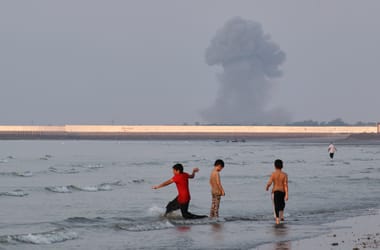
Clashes between the United States and Iran over the strategic Hormuz Strait have become routine, posing a threat to lasting peace in the region. Iran asserts its permanent claim over the vital waterway, viewing it as exclusively its own. This ongoing dispute highlights the persistent geopolitical friction between the two nations concerning maritime control and access. The Hormuz Strait is a critical chokepoint for global oil transport, making any instability there a significant concern for international energy markets. The routine nature of these confrontations suggests a lack of immediate de-escalation and a potential for prolonged strategic maneuvering. Tehran's definitive stance on controlling the strait indicates a firm policy objective that may continue to drive regional dynamics. The situation underscores the broader implications of US-Iran relations on regional security and global trade.
The recurring confrontations in the Hormuz Strait reflect a strategic stalemate between the US and Iran, driven by competing interests in controlling a critical global energy chokepoint. Iran's assertion of permanent control over the strait can be viewed as an attempt to leverage its geographic position to influence regional security and international maritime traffic. The US, conversely, seeks to maintain freedom of navigation and ensure the unimpeded flow of oil, aligning with broader international economic stability objectives. This dynamic suggests that future resolutions will likely involve complex negotiations balancing national security claims with global economic imperatives, potentially through multilateral frameworks or revised maritime governance agreements. The long-term implications may involve increased investment in alternative shipping routes or energy sources, as well as continued geopolitical posturing in the Persian Gulf.
AI-generated to prompt reflection — not editorial opinion, not advice, not a statement of fact. How this works.