US-Iran Tensions Escalate Over Strait of Hormuz
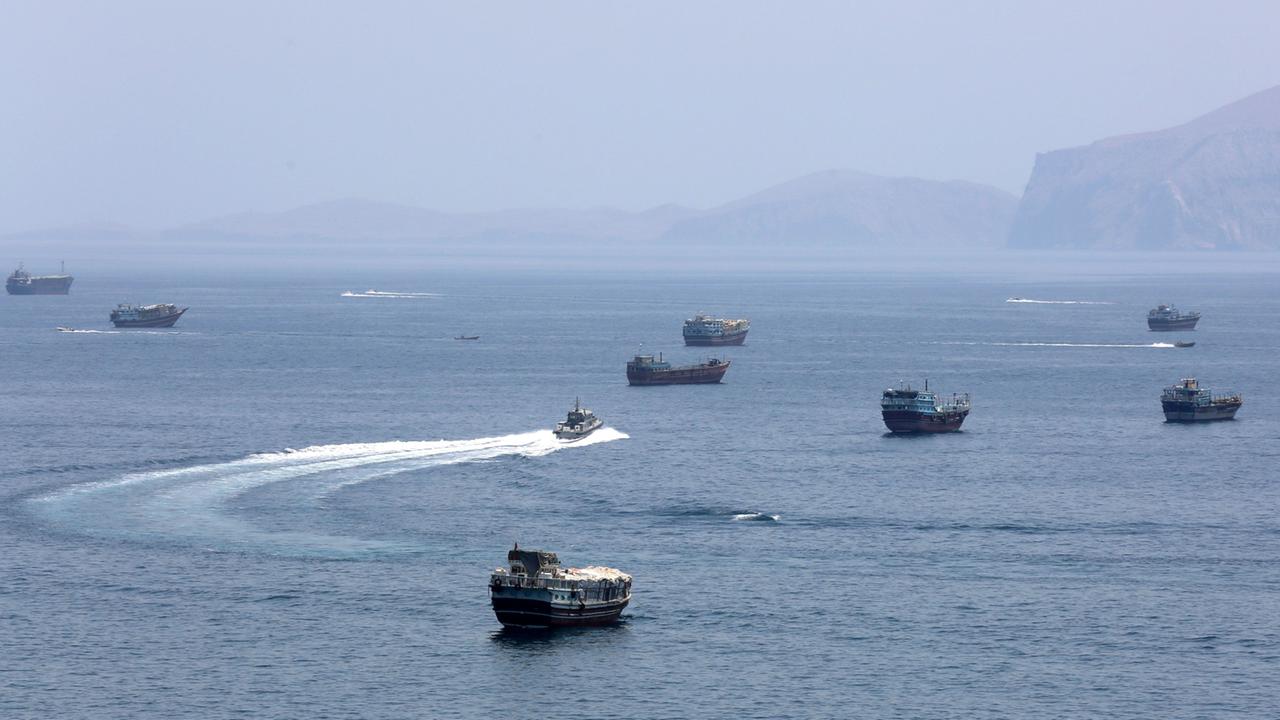
Tensions between the United States and Iran are reigniting, with US President Trump reportedly becoming increasingly agitated. The Strait of Hormuz remains the primary point of contention between the two nations. The ongoing conflict shows no signs of de-escalation, and a resolution, let alone a new nuclear agreement, appears distant. The situation highlights the persistent geopolitical challenges in the region surrounding this vital waterway. The strategic importance of the Strait of Hormuz makes any disruption a significant global concern. The current impasse suggests a prolonged period of uncertainty and potential friction. Diplomatic efforts to find a peaceful resolution have so far proven unsuccessful. The article does not provide specific details on recent events but focuses on the persistent nature of the US-Iran dispute centered on the Strait of Hormuz.
The renewed friction between the US and Iran over the Strait of Hormuz underscores the enduring strategic significance of this chokepoint. Geopolitical actors often leverage control over critical transit routes to exert influence and achieve foreign policy objectives. The current impasse suggests that neither side perceives sufficient incentive to compromise, potentially leading to a protracted period of heightened risk. Future developments will likely depend on evolving domestic political pressures within both countries and the broader regional security landscape. The international community faces the challenge of managing such disputes to prevent escalation and ensure the unimpeded flow of global commerce, a task made more complex by the current geopolitical climate.
AI-generated to prompt reflection — not editorial opinion, not advice, not a statement of fact. How this works.