US-Iran Tensions Escalate with New Gulf Attacks; Oil Prices Surge
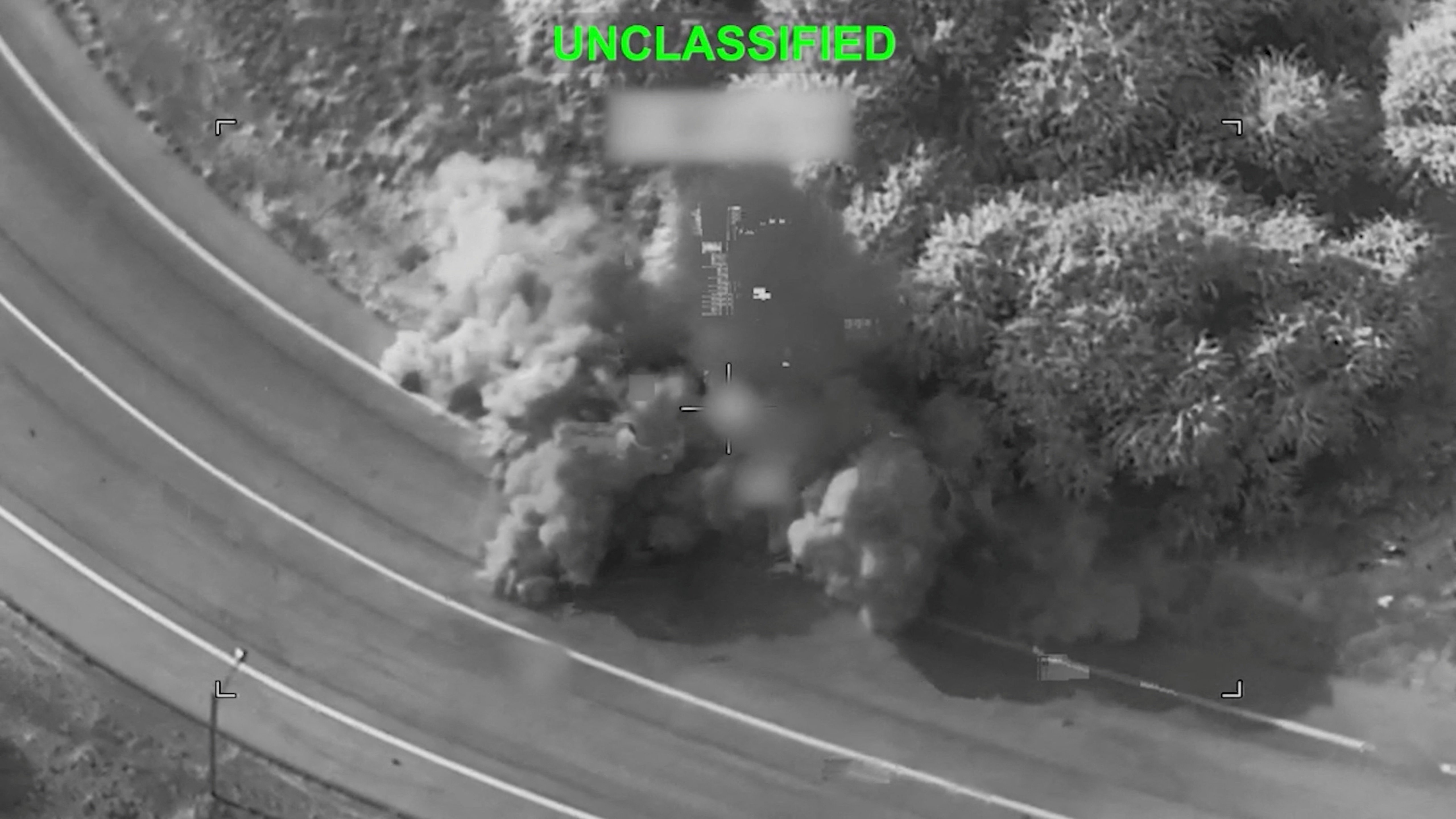
The conflict between the United States and Iran has intensified, marked by new Iranian attacks on U.S. allies in the Gulf and seven consecutive days of U.S. strikes against Iranian military targets. These confrontations, occurring a week after a ceasefire collapse, have heightened regional instability. Kuwait experienced continuous attacks, with a desalination plant being hit and airport operations suspended due to missile and drone threats. The Iranian Islamic Revolutionary Guard Corps claimed responsibility for striking a U.S. military support center and radar facility in Kuwait, and also targeted a fighter jet concentration at a base in Bahrain. Iran further asserted it destroyed U.S. aircraft in Jordan, though Reuters could not verify these claims. Oil prices experienced their largest increase in over a month, rising more than 4% on Friday, amid accusations of naval blockades and Iranian attacks on vessels violating navigation rules in the Strait of Hormuz. Civilian infrastructure has also become a frequent target, raising concerns about potential war crimes. Iranian media reported missile strikes on power and desalination facilities in Jask, Iran, leaving thousands without water, and a similar attack hit a power and desalination plant in Kuwait. The U.S. Central Command confirmed completing its seventh day of strikes on Iranian surveillance, logistics, weapons storage, and maritime facilities. UN Secretary-General António Guterres expressed concern over the escalation, particularly the attacks on civilian infrastructure. Iranian media also reported casualties and damage to bridges and a tunnel in Hormozgan province following U.S. strikes, with previous reports of U.S. attacks on bridges and a railway station in southern Iran.
The escalating military exchanges between the U.S. and Iran, including strikes on civilian infrastructure, highlight a dangerous feedback loop where de-escalation efforts are overshadowed by retaliatory actions. The targeting of critical infrastructure like desalination plants and power stations, while framed as military necessity by belligerents, carries significant long-term consequences for civilian populations and regional stability, potentially constituting violations of international humanitarian law. The surge in oil prices underscores the interconnectedness of geopolitical stability and global energy markets, demonstrating how regional conflicts can have immediate worldwide economic repercussions. This pattern suggests a systemic failure in diplomatic mechanisms to contain conflict escalation, pushing both sides towards actions that increase the risk of wider war and humanitarian crises, with potential implications for global supply chains and energy security over the next decade.
AI-generated to prompt reflection — not editorial opinion, not advice, not a statement of fact. How this works.