US-Iran Tensions in Strait of Hormuz Pose Global Maritime Risks, Analysts Warn
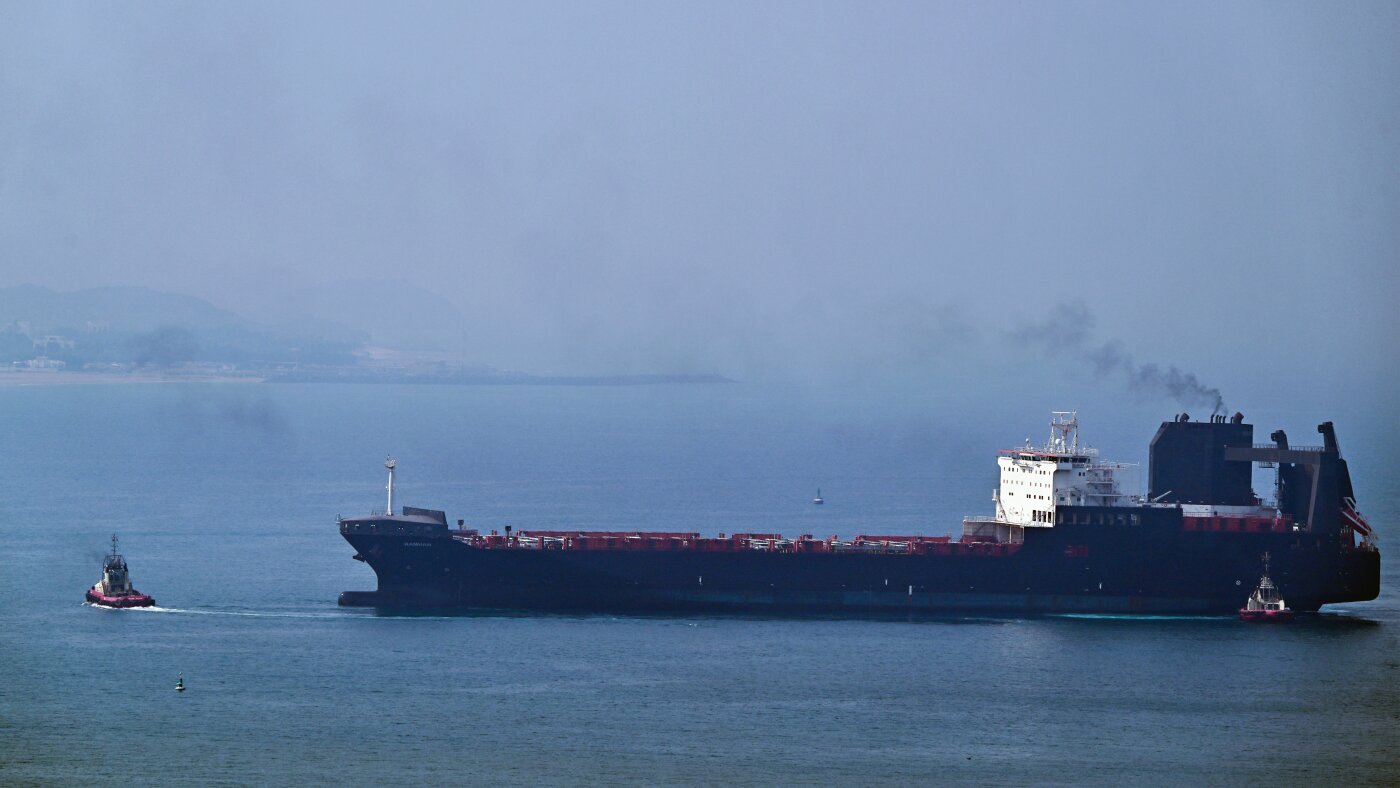
Analysts are cautioning that acknowledging Iran's control over the Strait of Hormuz could establish a perilous precedent. This situation raises significant risks for global waterways, as other nations might seek to assert similar claims over vital maritime passages. The strategic importance of the Strait of Hormuz, a narrow chokepoint through which a significant portion of the world's oil supply transits, makes any assertion of control particularly consequential. Such actions could lead to increased geopolitical instability and disrupt international trade routes. The potential for other countries to follow Iran's lead in attempting to control or influence key waterways could fragment global maritime governance. This could result in a more unpredictable and dangerous environment for international shipping and commerce. The implications extend beyond immediate security concerns, potentially impacting global energy markets and economic stability.
The geopolitical dynamics surrounding the Strait of Hormuz highlight the complex interplay between national security interests and the principles of freedom of navigation. The potential for a precedent to be set, where control over a critical chokepoint is recognized, could incentivize other states with strategic waterways to assert similar claims. This raises questions about the future of international maritime law and the robustness of existing governance frameworks designed to ensure open access to global commons. From a systemic perspective, such assertions could lead to a more fragmented and contested global order, increasing transaction costs for international trade and potentially impacting energy security. The long-term implications involve navigating the tension between sovereign rights and the collective interest in maintaining open and secure global trade routes, particularly as technological advancements continue to reshape maritime capabilities and surveillance.
AI-generated to prompt reflection — not editorial opinion, not advice, not a statement of fact. How this works.