US-Iran Tensions Reignite, Raising Fears of Sectoral Impact
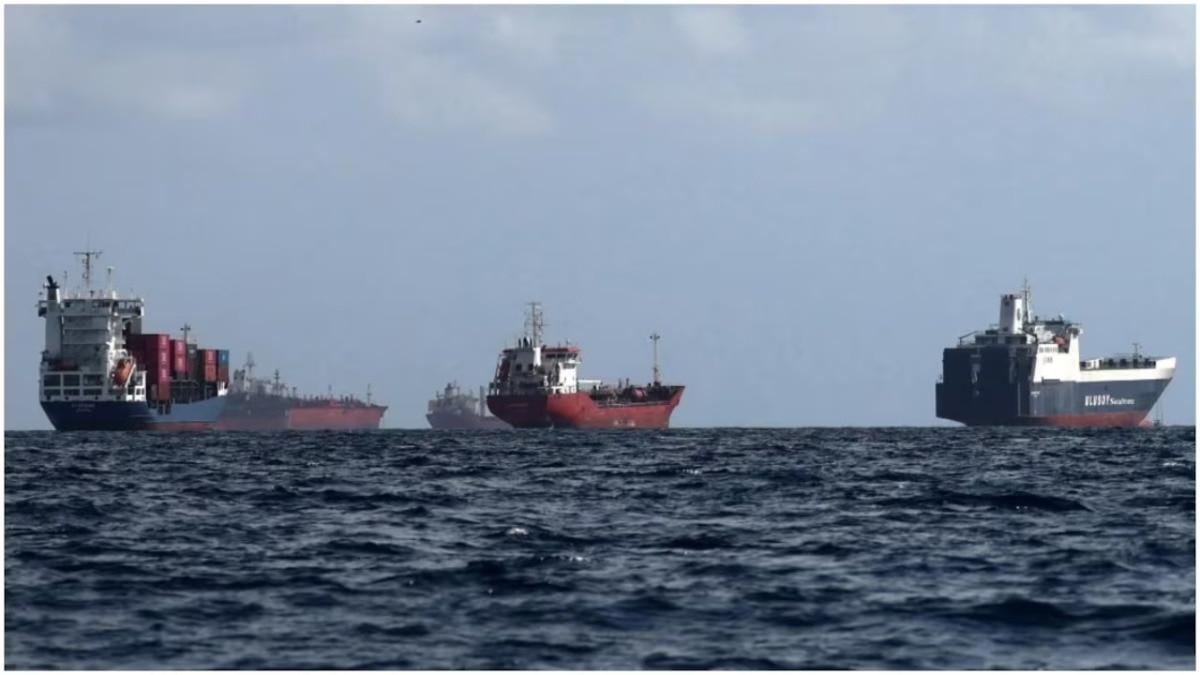
Tensions have flared again between the United States and Iran, with particular concern focused on the Strait of Hormuz. This renewed conflict raises the possibility of significant impacts across various economic sectors. The situation is being closely monitored to understand the potential ripple effects on global markets and supply chains. Specific sectors are expected to be more vulnerable to disruptions stemming from this geopolitical development. Further details are emerging regarding which industries are most at risk. The international community is watching closely as the situation unfolds. The potential for wider conflict and its economic consequences remains a primary concern.
The renewed US-Iran tensions, particularly around the Strait of Hormuz, highlight the persistent fragility of global energy markets and supply chains to geopolitical instability. Historically, such conflicts have led to price volatility in oil and gas, impacting inflation and economic growth worldwide. Companies reliant on Middle Eastern energy sources or shipping routes through the Strait face increased operational risks and potential cost escalations. Policymakers and market participants will be assessing the duration and intensity of this conflict, considering its implications for energy security and the broader macroeconomic outlook over the next decade, especially in an era increasingly sensitive to resource availability and efficient logistics.
AI-generated to prompt reflection — not editorial opinion, not advice, not a statement of fact. How this works.