US-Iran Tensions Rise as Middle East Strikes Escalate
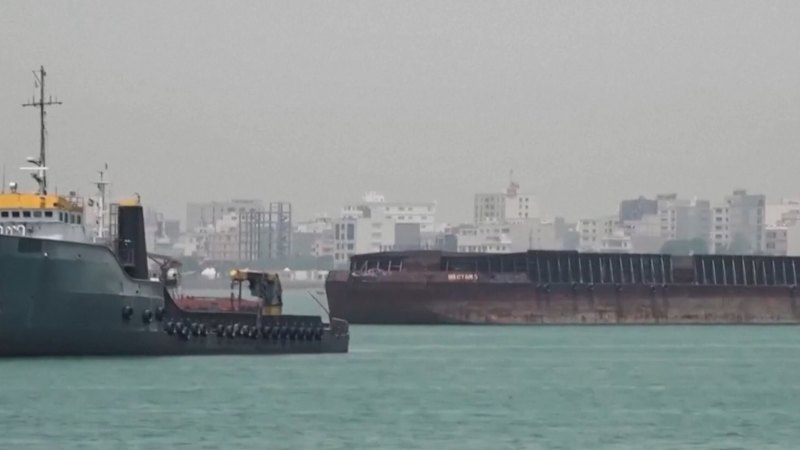
The United States and Iran appear to be on the brink of reigniting a full-scale conflict due to escalating strikes occurring throughout the Middle East. This heightened state of aggression suggests a significant increase in regional instability. The ongoing exchange of strikes indicates a dangerous trajectory, pushing both nations closer to a broader confrontation. The situation demands careful monitoring as diplomatic channels may be strained. The potential for wider regional involvement remains a significant concern. The current escalation signifies a critical juncture in US-Iran relations. Further developments could have far-reaching implications for international security. The international community is watching closely as the situation unfolds.
The escalating strikes between the US and Iran in the Middle East signal a dangerous intensification of existing geopolitical tensions. This pattern suggests a strategic calculus where each action is met with a retaliatory response, potentially leading to an uncontrolled spiral of conflict. The underlying incentive structures driving these escalations likely involve deterrence, signaling, and domestic political considerations for both nations. From a systemic perspective, such conflicts strain regional stability and divert resources from development, creating long-term challenges. The international community faces the challenge of de-escalation, balancing the need to address immediate security threats with the imperative to foster a more stable, long-term regional order. The next decade will likely see continued pressure on state actors to manage proxy conflicts and asymmetric warfare, making de-escalation strategies crucial for preventing wider conflagrations.
AI-generated to prompt reflection — not editorial opinion, not advice, not a statement of fact. How this works.