US-Iran Tensions Spike Oil Prices by Nearly 10% Amid Strait of Hormuz Hostilities
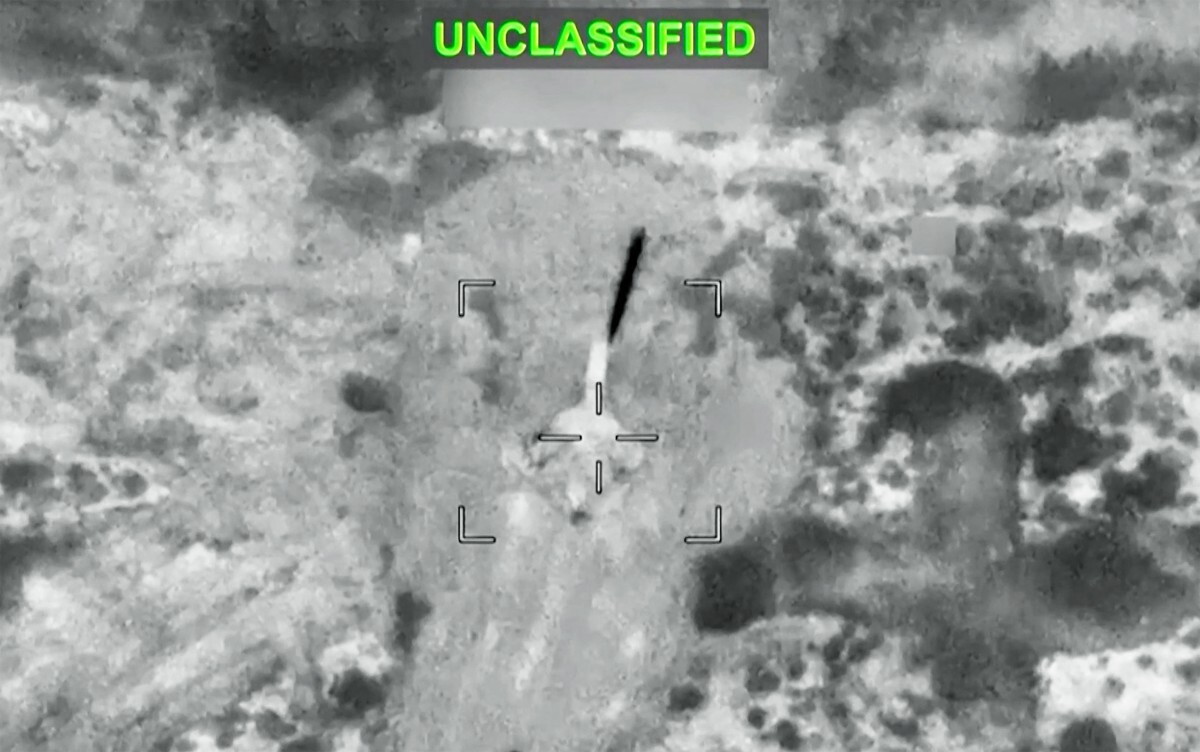
Escalating military hostilities between the United States and Iran in the Strait of Hormuz have triggered significant instability in global energy markets. The price of a barrel of oil surged by nearly 10% as tensions intensified. This development has raised global alarms regarding potential disruptions to hydrocarbon supplies. The strait is a critical chokepoint for global oil transportation, making any military activity in the region a major concern for market stability and energy security. The increased volatility underscores the delicate balance of geopolitical factors influencing energy prices and the vulnerability of supply chains to regional conflicts.
The heightened military tensions between the US and Iran in the Strait of Hormuz have predictably led to a sharp increase in oil prices, reflecting market sensitivity to geopolitical risk in critical energy transit zones. This event highlights the inherent vulnerability of global energy markets to regional instability, where even localized conflicts can have far-reaching economic consequences. The price surge underscores the importance of de-escalation and diplomatic solutions to ensure the uninterrupted flow of energy resources. Looking ahead, such events may accelerate investments in alternative energy sources and diversified supply chains to mitigate future shocks, as the reliance on volatile regions for essential commodities presents a persistent systemic risk in the coming decade.
AI-generated to prompt reflection — not editorial opinion, not advice, not a statement of fact. How this works.