US-Iran Tensions Threaten Ceasefire Amid Backchannel Talks
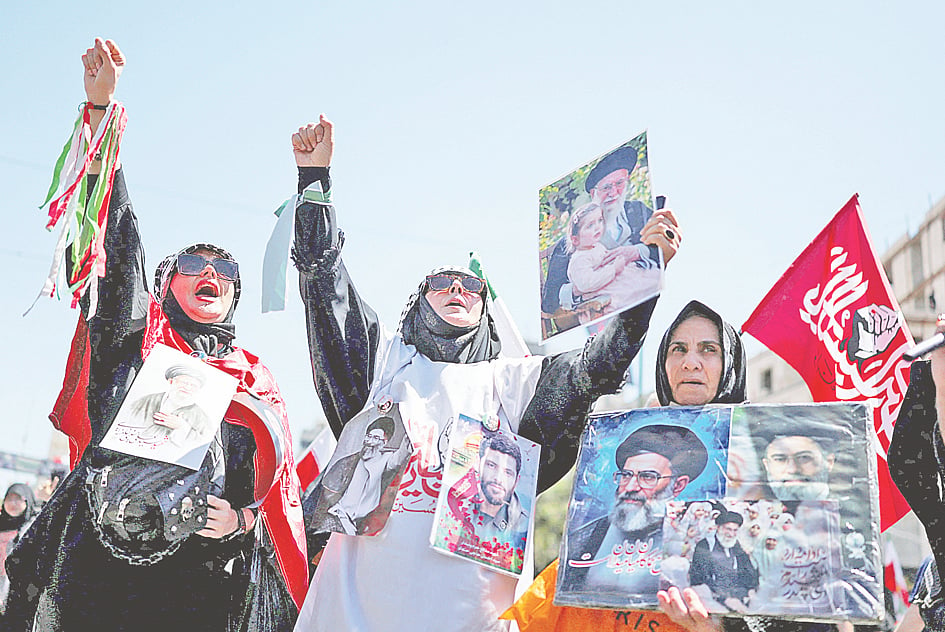
A fragile ceasefire is once again under threat due to retaliatory strikes between the United States and Iran. Despite the escalating tensions, communication channels remain open behind the scenes. Both nations are reportedly engaged in ongoing discussions to de-escalate the situation and preserve the fragile peace. The exchange of hostilities has cast a shadow over the prospects of a lasting truce, raising concerns among international observers. The specific nature of the "backchannel" communications has not been disclosed, but their existence suggests a continued effort to avoid further conflict. The outcome of these talks will be crucial in determining the future stability of the region.
The current geopolitical climate, marked by retaliatory actions between the US and Iran, highlights the inherent fragility of ceasefires in regions with deep-seated geopolitical rivalries. The reliance on "backchannel" communications suggests that formal diplomatic avenues may be insufficient or compromised, necessitating informal negotiations to manage immediate escalatory risks. This dynamic underscores a broader challenge in international relations: balancing public posturing with private de-escalation efforts. Future stability will likely depend on establishing more robust and transparent conflict resolution mechanisms that address the underlying causes of tension, rather than solely managing immediate crises through discreet dialogues.
AI-generated to prompt reflection — not editorial opinion, not advice, not a statement of fact. How this works.