US-Iran Truce Collapses Amid Escalating Middle East Conflict
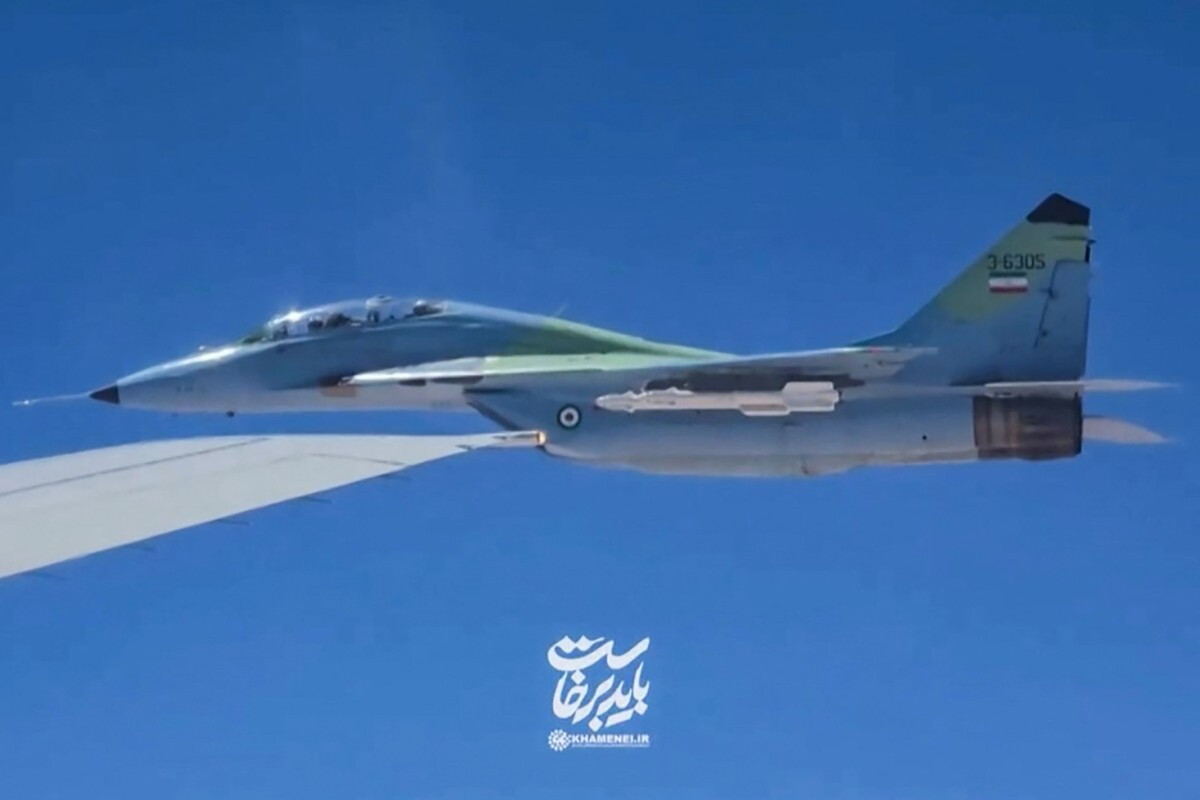
The ceasefire between the United States and Iran has effectively collapsed due to recent escalations in hostilities. There are currently no indications that either side is willing to de-escalate or make concessions. This breakdown in the truce signifies a significant worsening of the conflict in the Middle East. The situation remains tense, with the potential for further deterioration. Both nations appear entrenched in their positions, making a peaceful resolution seem distant. The ongoing instability in the region poses a considerable threat to international security. The recent attacks have shattered the fragile peace that was in place. Observers are concerned about the potential for a wider regional conflict. The lack of diplomatic movement suggests a prolonged period of heightened tensions.
The collapse of the US-Iran truce highlights the volatile geopolitical dynamics in the Middle East, driven by complex incentive structures and regional power competition. The absence of de-escalation signals a potential shift towards more direct confrontation, impacting global energy markets and international relations. This situation underscores the challenges of maintaining stability in a region characterized by proxy conflicts and competing strategic interests. Future developments will likely depend on the ability of international actors to foster dialogue and address the underlying causes of tension, rather than solely managing immediate escalations. The long-term implications for regional security and global economic stability warrant careful consideration.
AI-generated to prompt reflection — not editorial opinion, not advice, not a statement of fact. How this works.