US, Japan Carrier Groups Sail with Philippines Near Bajo de Masinloc
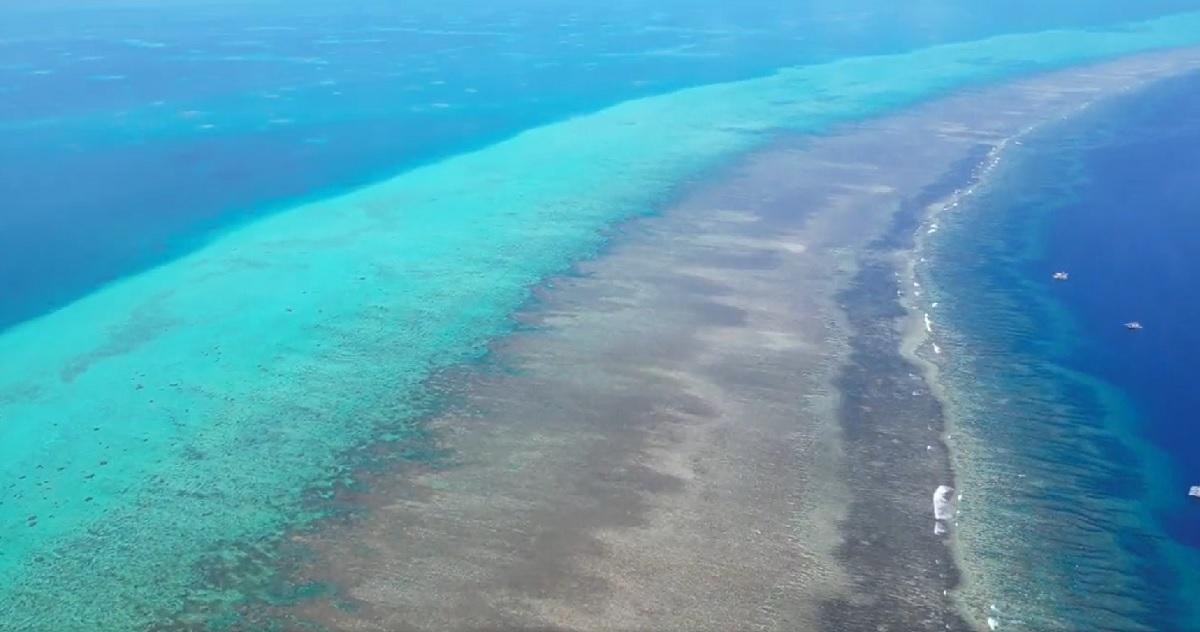
A United States carrier strike group participated in a joint sail with naval forces from the Philippines and Japan. The exercise took place in the vicinity of Bajo de Masinloc, also known as Scarborough Shoal. This trilateral maritime activity underscores the deepening security cooperation among the three nations in the Indo-Pacific region. The joint sail aimed to enhance interoperability and demonstrate a shared commitment to maritime security and freedom of navigation. Bajo de Masinloc is a strategically important feature in the West Philippine Sea, and its proximity highlights the sensitive nature of maritime claims in the area. The presence of a US carrier strike group signifies a strong show of support for regional stability. This event follows recent joint drills conducted by the Philippines and Japan, indicating a growing pattern of multilateral engagement. The exercise is expected to contribute to maintaining a rules-based international order and deterring potential aggression. Both the Philippines and Japan have expressed their commitment to upholding international law, including the UN Convention on the Law of the Sea (UNCLOS). The joint sail serves as a visible signal of collective maritime capabilities and a shared vision for a secure and prosperous Indo-Pacific.
This trilateral maritime exercise involving the US, Philippines, and Japan near Bajo de Masinloc demonstrates a coordinated effort to reinforce regional security architecture. The joint sail serves as a strategic signal, emphasizing freedom of navigation and adherence to international maritime law in a contested area. Such activities, particularly with the involvement of a US carrier strike group, reflect evolving geopolitical dynamics and alliance structures aimed at balancing influence and deterring assertive actions. The focus on interoperability and a rules-based order suggests a long-term strategy to manage maritime disputes through collective security mechanisms rather than unilateral actions. This approach aligns with broader trends of increased multilateral security cooperation in the Indo-Pacific, driven by technological advancements and the growing importance of maritime trade routes.
AI-generated to prompt reflection — not editorial opinion, not advice, not a statement of fact. How this works.
