US Judge Overturns Trump's $1.8 Billion IRS Settlement Granting Audit Immunity
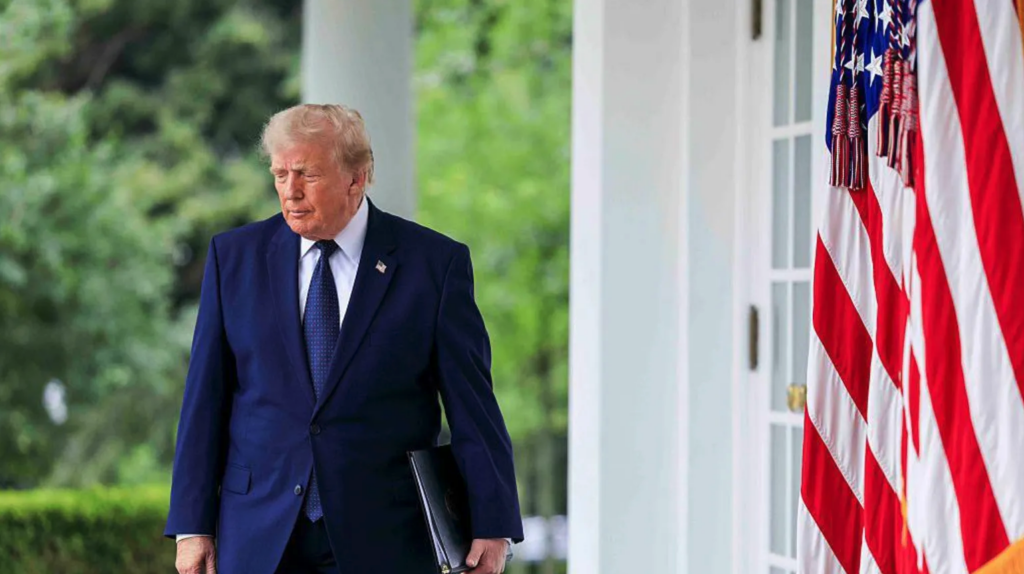
A U.S. judge has invalidated a settlement agreement between former President Donald Trump and federal agencies. This agreement had provided Trump with immunity from tax audits. It also permitted his administration to establish a "anti-weaponisation" fund, which has since been discontinued. The fund, announced in May, was designed to offer compensation to individuals who alleged they had been unfairly targeted by government actions. The settlement's voiding by the judge removes the immunity Trump had secured against potential tax examinations. The specifics of the original agreement and the reasons for its creation were part of a broader legal context involving allegations of governmental overreach. The discontinuation of the $1.8 billion fund signifies a shift in the administration's approach to addressing such claims. This judicial decision could have implications for future disputes between individuals and federal agencies regarding audit processes and settlement terms. The case highlights the judiciary's role in overseeing agreements made between the executive branch and private citizens.
This judicial decision effectively nullifies a settlement that provided a former president with immunity from tax audits, a provision that could be seen as creating an uneven playing field in fiscal oversight. The voiding of the "anti-weaponisation" fund, intended for those alleging government targeting, raises questions about the efficacy and transparency of such compensatory mechanisms. From a systemic perspective, the ruling underscores the principle that no individual, regardless of their former office, should be entirely shielded from standard governmental review processes like tax audits. This reinforces the importance of checks and balances within the governance structure, ensuring accountability. The case prompts consideration of how future administrations might navigate similar settlements, balancing the need for resolution with the imperative of maintaining public trust and equitable treatment under the law.
AI-generated to prompt reflection — not editorial opinion, not advice, not a statement of fact. How this works.