US Justice Department Taps Unused Court to Deport Suspected Terrorist
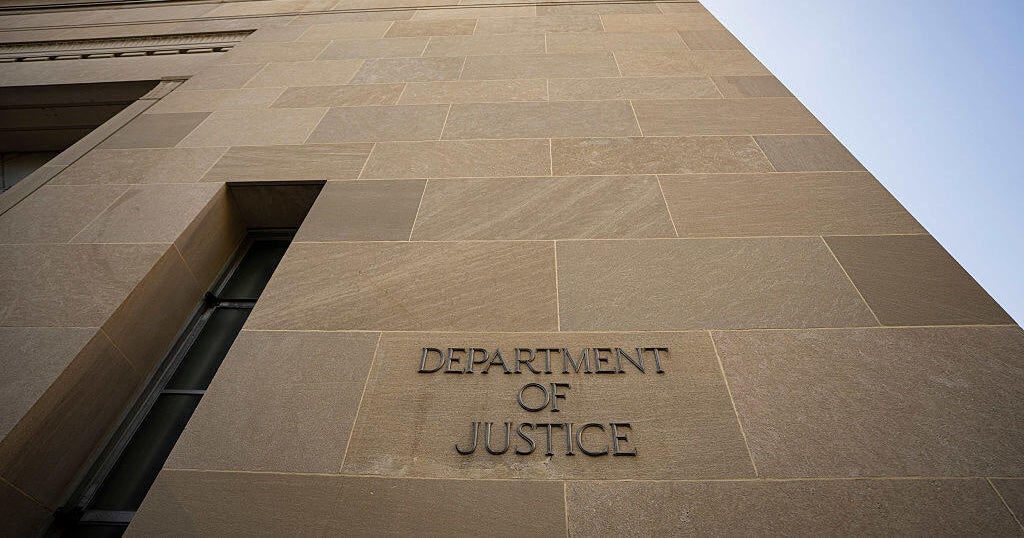
The U.S. Department of Justice is utilizing a rarely invoked court for the first time in its history to pursue the deportation of a suspected terrorist. This court, known as the Alien Terrorist Removal Court, was established by Congress in 1996 and signed into law by then-President Bill Clinton. Despite its creation over two decades ago, the court has remained dormant until this recent action. The move signifies a new legal strategy by the DOJ to leverage this specific judicial mechanism for national security purposes. The specifics of the case and the identity of the suspected terrorist have not been publicly disclosed. This unprecedented use of the court could set a precedent for future cases involving individuals deemed a threat to national security. The implications of this legal maneuver are being closely watched by civil liberties advocates and national security experts alike. The court's unique jurisdiction and procedures are designed to address complex cases involving foreign nationals suspected of terrorism.
The U.S. Justice Department's decision to activate the Alien Terrorist Removal Court, established in 1996, marks a significant shift in its approach to national security cases. This unprecedented use of a seldom-utilized legal avenue suggests a potential recalibration of strategies to address perceived threats, possibly in response to evolving geopolitical landscapes or limitations in existing legal frameworks. The court's existence highlights a long-standing congressional effort to create specialized mechanisms for dealing with foreign nationals suspected of terrorism, balancing national security imperatives with due process considerations. The long period of dormancy prior to this activation raises questions about the court's intended scope and the specific circumstances that have now prompted its engagement. Future applications of this court could influence the balance between executive powers, judicial oversight, and individual rights in the context of counter-terrorism efforts, potentially shaping legal precedents for decades to come.
AI-generated to prompt reflection — not editorial opinion, not advice, not a statement of fact. How this works.