US Justice Dept Subpoenas NYT Journalists Over Air Force One Report
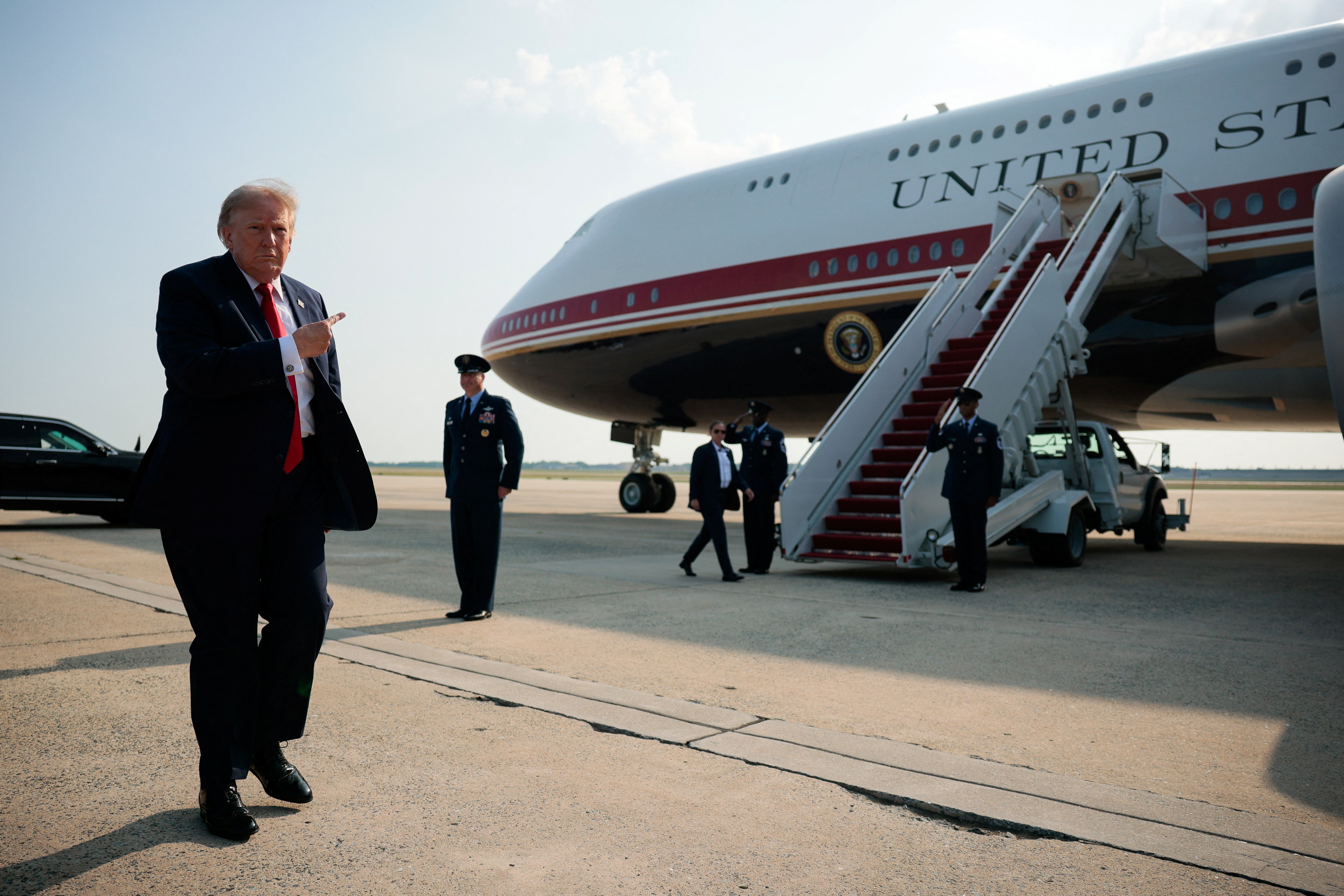
The U.S. Department of Justice has issued subpoenas compelling several New York Times journalists to testify before a federal grand jury. This action follows their reporting on concerns regarding the security of a new presidential aircraft, the Air Force One, which was reportedly donated by Qatar. The subpoenas were issued on Friday, November 10th, and the journalists are expected to appear on Wednesday, November 15th, in connection with an alleged violation of federal criminal law. The subpoenas were reportedly signed by federal prosecutor Jay Clayton, who has been nominated by President Trump to lead the Office of the Director of National Intelligence. In some instances, federal agents delivered the subpoenas to the reporters' homes. The New York Times described the move as an "extraordinary escalation" in President Trump's efforts to "threaten and intimidate independent news organizations." A Justice Department spokesperson declined to confirm or deny the subpoenas but stated the government was not targeting journalists but rather investigating the leak of classified information. The White House referred all inquiries to the Justice Department. Journalism advocacy groups have strongly criticized the subpoenas, viewing them as a threat to press freedom and constitutional rights. The National Press Club urged the Justice Department to immediately withdraw the subpoenas, calling the action an "extraordinary assault on freedom of the press." The Reporters Committee for Freedom of the Press has called on the Senate Intelligence Committee to hold Clayton accountable during his confirmation hearing.
This event highlights a significant tension between national security interests, specifically the protection of classified information and the integrity of government assets, and the public's right to information facilitated by a free press. The Justice Department's stated concern over leaked classified information, if substantiated, presents a legitimate investigative challenge. However, the method of subpoenaing journalists, particularly the delivery of such orders to their homes, raises profound questions about governmental overreach and potential intimidation tactics against independent media. This approach risks chilling investigative journalism, which is crucial for government accountability, especially concerning high-profile projects like the Air Force One. The timing, coinciding with a nomination for a key intelligence oversight role, adds a layer of complexity regarding potential conflicts of interest or the weaponization of legal processes. Future administrations will face the challenge of balancing the imperative to safeguard sensitive data with the constitutional mandate to protect a robust and unfettered press.
AI-generated to prompt reflection — not editorial opinion, not advice, not a statement of fact. How this works.