US Launches Airstrikes on Iran; Tehran Vows Retaliation
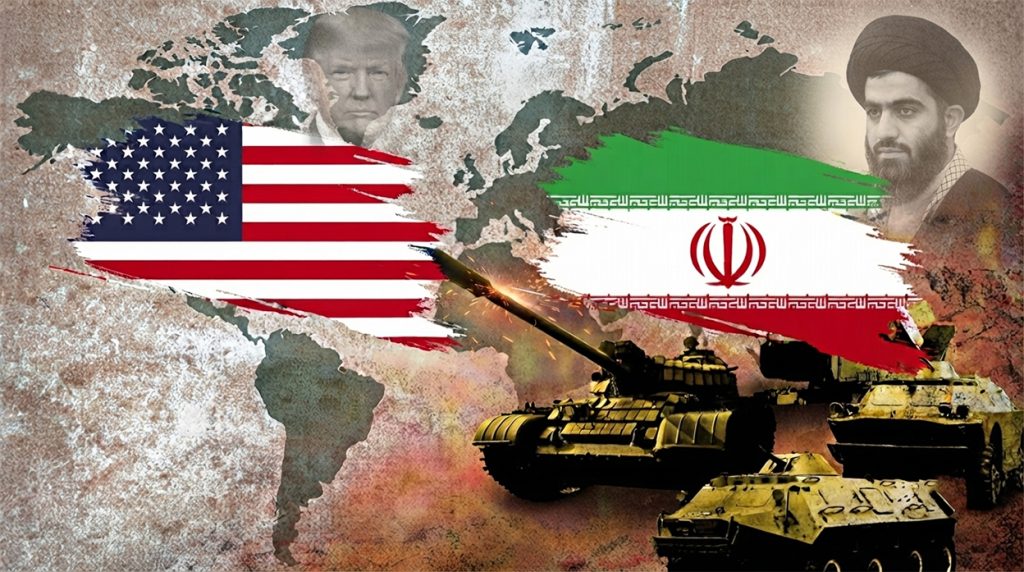
The United States has initiated a new phase of attacks against Iran. Following these strikes, former US President Donald Trump stated on his social media platform 'Truth Social' that the action was in retaliation for a previous bombing incident targeting a ship. He warned that further incidents of this nature would result in more severe consequences. According to Iranian state media, explosions were reported in several locations in the southern regions of the country. The specifics of the targets and the extent of the damage from the US airstrikes have not been fully detailed. Iran has publicly declared its intention to respond fearlessly to the US aggression. This escalation marks a significant development in the ongoing tensions between the two nations. The situation remains volatile, with both sides issuing strong statements.
The recent US airstrikes on Iran, framed as retaliation for a prior maritime incident, represent a tactical escalation in a long-standing geopolitical rivalry. The stated justification by the former US President highlights a pattern of reciprocal actions that can lead to destabilizing cycles of conflict. From an incentive structure perspective, Iran's vow of a fearless response suggests a commitment to projecting strength and deterring further aggression, potentially through asymmetric means. The international community will likely monitor for de-escalation efforts, as sustained military exchanges carry significant risks for regional stability and global energy markets. The underlying strategic objectives of both nations, including Iran's regional influence and the US's security interests, continue to shape these volatile interactions, demanding careful diplomatic navigation to avoid wider conflagration.
AI-generated to prompt reflection — not editorial opinion, not advice, not a statement of fact. How this works.