US Launches Campaign to Undermine International Criminal Court
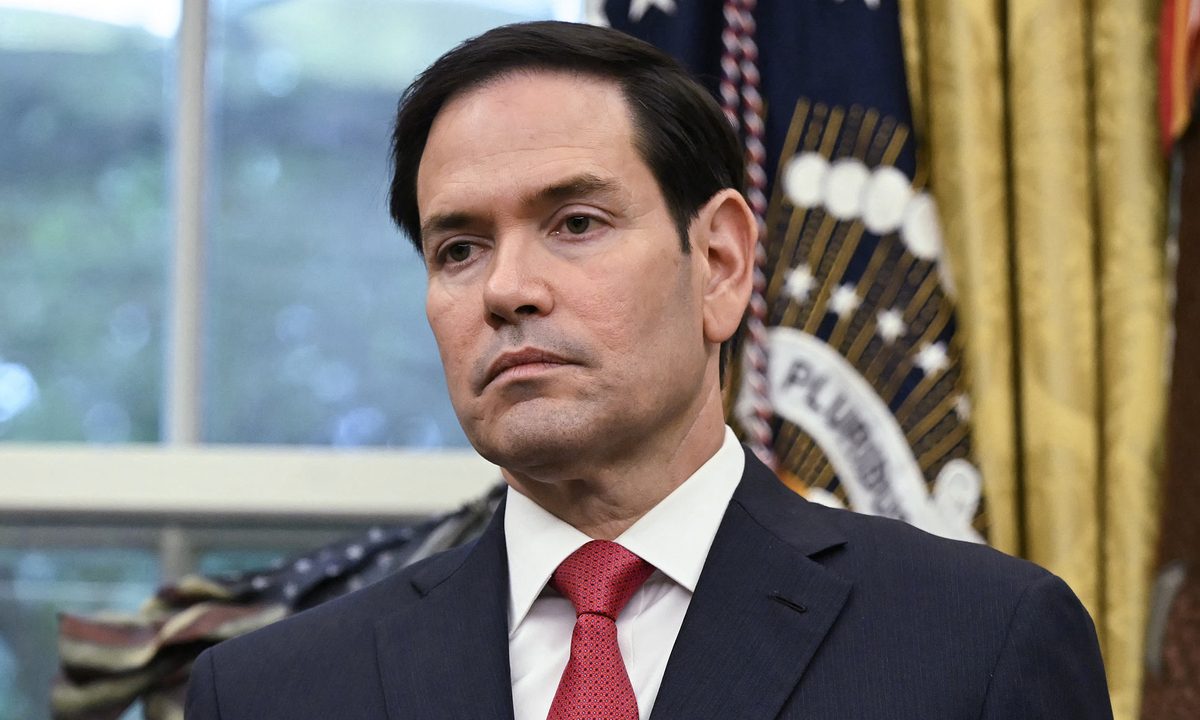
U.S. Secretary of State Marco Rubio announced the launch of a campaign aimed at pressuring allies to withdraw from the International Criminal Court (ICC). Rubio accused the court of acting against the interests of the United States. The campaign intends to dismantle the ICC by encouraging member states to disassociate themselves from the institution. This move signifies a significant escalation in the U.S.'s long-standing opposition to the ICC's jurisdiction and perceived overreach. The U.S. has previously expressed concerns about the court's potential to target American citizens and military personnel without proper oversight. The administration believes that the ICC's actions threaten national sovereignty and undermine the ability of democratic nations to govern themselves. The campaign will involve diplomatic efforts, public statements, and potentially economic incentives to persuade allies to join the U.S. in its stance against the ICC. The ultimate goal is to weaken the court's authority and effectiveness on the global stage.
The U.S. campaign against the ICC reflects a broader tension between national sovereignty and international legal frameworks. By seeking to 'dissolve' the court, the U.S. appears to prioritize its own legal exceptionalism and the protection of its citizens from international jurisdiction. This approach may stem from concerns over potential politically motivated prosecutions or a desire to maintain unilateral foreign policy options. However, such actions could weaken the international rule of law and create a precedent for other powerful nations to disregard international institutions. The long-term impact on global justice mechanisms and the court's ability to hold perpetrators of severe crimes accountable remains a critical consideration. This strategy may inadvertently embolden states that are already resistant to international accountability, potentially leading to a more fragmented and less secure global order.
AI-generated to prompt reflection — not editorial opinion, not advice, not a statement of fact. How this works.