US Launches Major Strikes on Iran, Hitting 170 Sites Over Two Nights
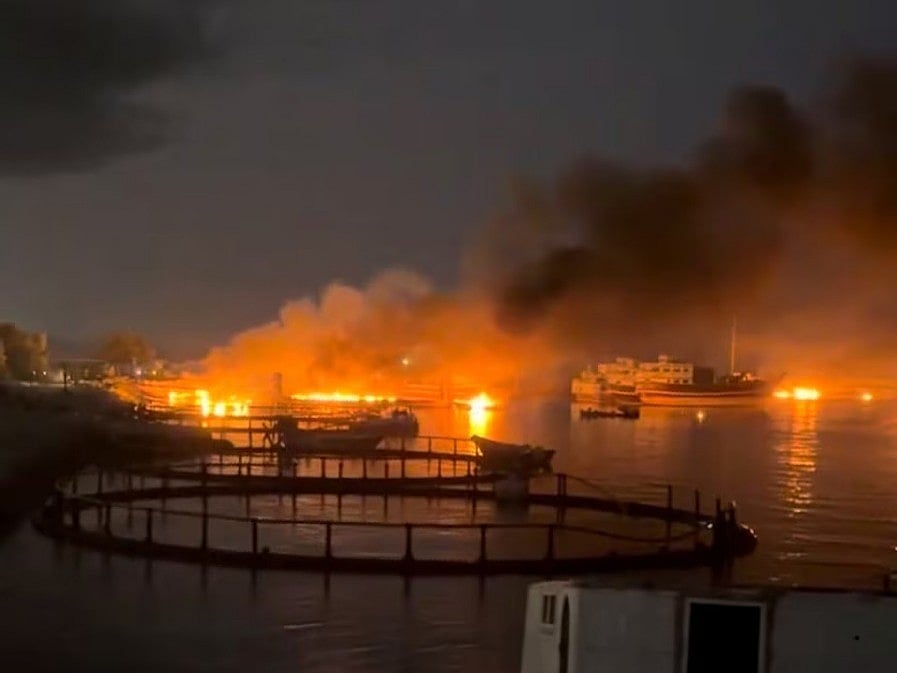
The United States conducted extensive attacks on Iran for a second consecutive night, with U.S. military forces claiming to have struck 170 Iranian targets within 48 hours. These strikes represent the largest escalation since a ceasefire extension. U.S. Central Command stated the intense bombing aimed to degrade Iran's capability to attack commercial ships and sailors in the Strait of Hormuz. The aerial assaults, which began on the previous night, resulted in at least 14 fatalities and 78 injuries in five Iranian provinces, according to Iran's Health Ministry spokesperson. In response, Iran launched retaliatory strikes against U.S. military positions in Gulf countries. The U.S. attacks damaged two railway bridges connected to Tehran and sections of the Iran-Tehran rail corridor, with reports also indicating strikes near the Bushehr nuclear facility. This exchange follows a Memorandum of Understanding (MOU) signed on June 17 between Washington and Tehran to extend the ceasefire and pursue a permanent peace agreement. U.S. President Donald Trump declared the ceasefire over due to Iran's alleged attacks on ships in the Strait of Hormuz, posting a video of the strikes and warning of severe consequences for any recurrence. Trump had previously suggested the U.S. response would be swift and not lead to a prolonged conflict. Iran's retaliatory actions included missile launches targeting U.S. military bases in Bahrain, Kuwait, and Qatar, triggering air raid sirens in Bahrain, the headquarters of the U.S. Navy's Fifth Fleet. Jordan also reported intercepting Iranian missiles.
The recent escalation between the U.S. and Iran, occurring shortly after a ceasefire extension and MOU signing, highlights the persistent fragility of de-escalation efforts in the region. The stated U.S. objective of degrading Iran's naval attack capabilities in the Strait of Hormuz, while framed as defensive, risks further entrenching a cycle of retaliatory actions. Iran's counter-strikes against U.S. bases demonstrate a capacity to project force and impose costs, potentially complicating U.S. strategic calculations. This pattern suggests that underlying geopolitical tensions and competing regional interests continue to outweigh diplomatic initiatives, creating a volatile environment where military actions can rapidly overshadow negotiated settlements. The long-term implications involve the potential for miscalculation and unintended escalation, impacting regional stability and global trade routes.
AI-generated to prompt reflection — not editorial opinion, not advice, not a statement of fact. How this works.