US Launches New Strikes Amid Intensifying Conflict Over Strait of Hormuz
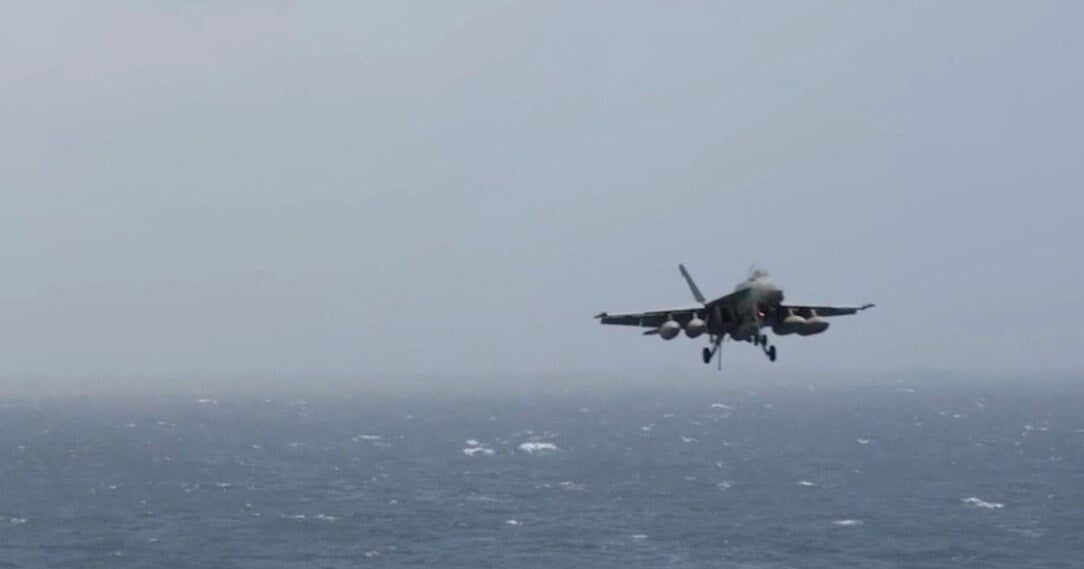
The United States has announced further strikes against Iran, occurring just hours after a fourth consecutive night of military actions. This escalation signals a significant ramp-up in the conflict, which is centered on control over the vital Strait of Hormuz. The intensified fighting raises concerns about regional stability and the security of global shipping lanes. The specific targets and extent of the damage from these latest strikes have not yet been fully detailed. However, the repeated nighttime barrages indicate a sustained and potentially escalating military engagement. The focus on the Strait of Hormuz highlights its strategic importance as a chokepoint for global oil and trade. This renewed intensity suggests a hardening of positions by the involved parties. The situation remains fluid, with potential implications for international relations and energy markets.
The recent US strikes and Iranian responses over the Strait of Hormuz indicate a volatile geopolitical situation driven by strategic resource control and regional power dynamics. The intensification of conflict suggests a potential miscalculation in de-escalation strategies, possibly stemming from competing national security interests and perceived threats. Future actions will likely be shaped by the interplay of deterrence, economic pressures, and the risk of broader regional entanglement. The long-term implications may involve shifts in global energy supply chains and increased defense spending, necessitating robust diplomatic frameworks to manage escalating tensions and prevent wider conflict.
AI-generated to prompt reflection — not editorial opinion, not advice, not a statement of fact. How this works.