US Launches New Strikes on Iran, Revokes Oil Sanctions Amid Strait of Hormuz Tensions
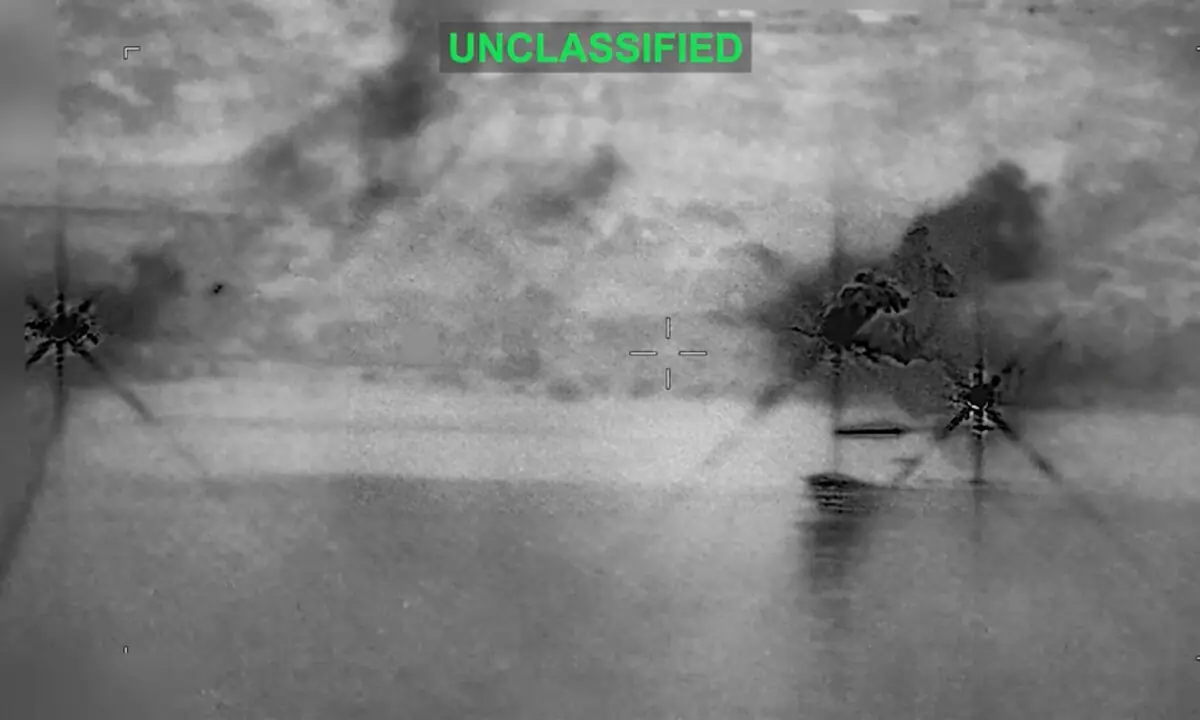
The United States military conducted a new series of strikes against Iran on Tuesday, targeting over 80 sites including more than 60 Islamic Revolutionary Guard Corps boats, in response to recent attacks on three tankers in the Strait of Hormuz. These actions aim to impose "heavy costs" and degrade Iran's capacity to threaten commercial shipping. Concurrently, the US revoked a general license that had permitted Iran to sell oil internationally, a concession granted under a recent ceasefire agreement. Iran was given until July 17 to cease all related transactions, a move that caused oil prices to rise by over 3%.
Iranian state media reported explosions on Wednesday morning local time in key oil and port areas, including Kharg Island, Qeshm Island, Sirik, and Bandar Abbas. While no civilian deaths were reported, several individuals were injured by shrapnel in Sirik. The US Central Command stated the strikes targeted Iranian air defense systems, surveillance systems, missiles, and drone launch sites, emphasizing that Iran's actions were a "dangerous violation of the ceasefire." Iran's joint military command vowed a "crushing response" and warned against US interference in the Strait of Hormuz.
The incidents jeopardize a fragile ceasefire agreement brokered last month, which was intended to provide a 60-day window for negotiations on a permanent deal. Indirect talks in Qatar concluded without progress. The US revocation of the oil sales license is seen as a significant blow to this interim agreement. Iran's foreign ministry condemned the US action as a breach of the framework agreement and warned of consequences, while Qatar blamed Iran for an attack on a liquefied natural gas tanker.
The escalating military actions and economic sanctions between the US and Iran, particularly concerning the Strait of Hormuz, highlight the persistent geopolitical instability in the region. The revocation of oil sanctions, following strikes on commercial vessels, suggests a strategic intent to exert maximum economic pressure while simultaneously demonstrating military capability. This approach risks undermining the fragile ceasefire and any potential for diplomatic resolution, potentially leading to a cycle of retaliation. Future geopolitical strategies in this volatile region will likely need to balance deterrence with sustained diplomatic engagement to foster long-term stability and ensure freedom of navigation, considering the global economic implications of energy supply disruptions.
AI-generated to prompt reflection — not editorial opinion, not advice, not a statement of fact. How this works.